Things to Do in Barranquilla: The Complete 2026 GuideQué Hacer en Barranquilla: La Guía Completa 2026
Paulette Romero
August 15, 2023, Updated April 23, 2026 · 8 min read
Specific question while you read? Ask Catalina, the Barranquilla Guide concierge.¿Pregunta específica mientras lees? Pregúntale a Catalina, la concierge de Barranquilla Guide.Chat with Catalina ›Habla con Catalina ›
Last updated: April 2026. Barranquilla isn’t a postcard city; it’s a living, working, sweating, music-loving Caribbean metropolis. The best things to do here are less about monuments and more about showing up at the right place at the right time. This guide is the short list, the things that actually define the city, organized by trip length.
The essential Barranquilla experiences
1. Walk the Gran Malecón at sunset
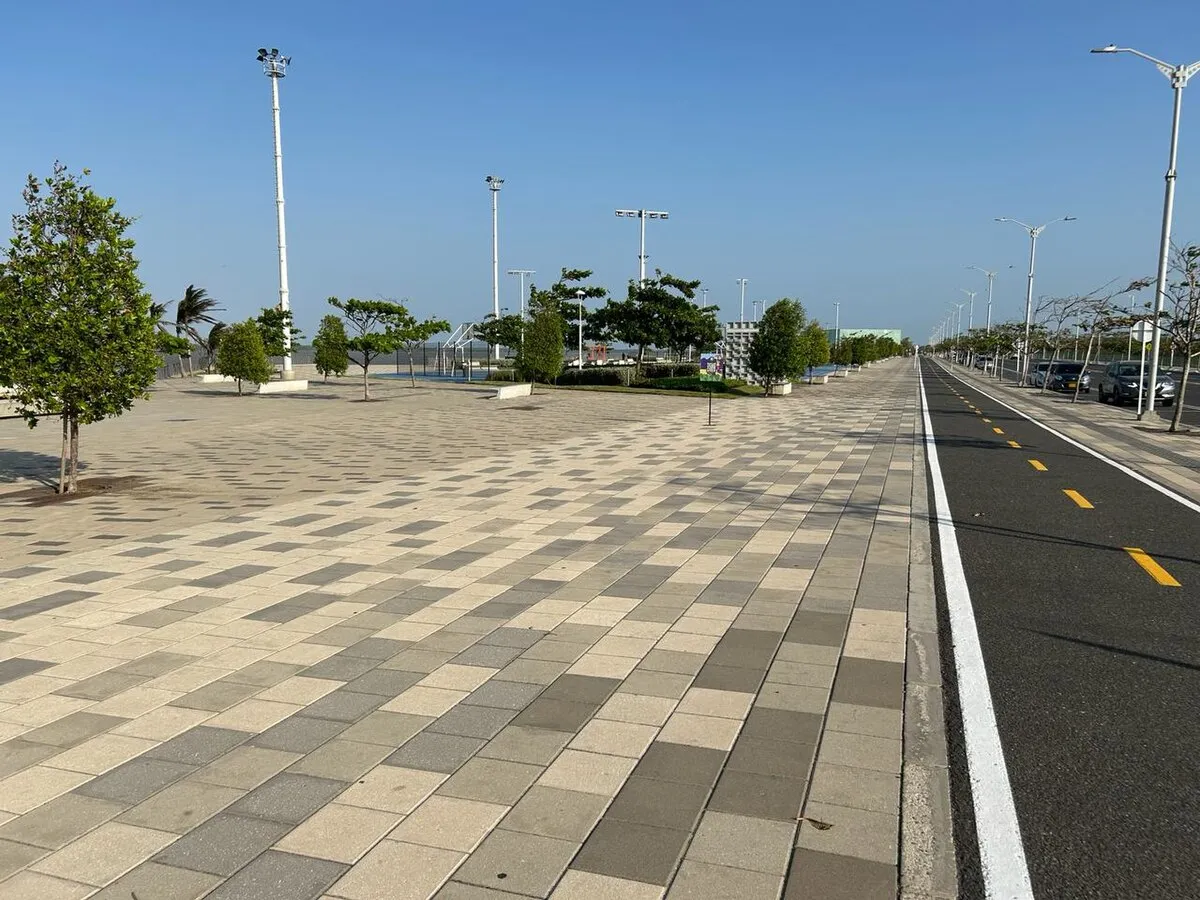
The city’s best single activity. The Gran Malecón is a 5-kilometer waterfront promenade along the Magdalena River, opened in 2018 and extended since. It runs through parks, food courts, public art (including the statue of Shakira, she’s from Barranquilla, and the Aleta del Tiburón monument), and stretches of river-watching quiet. Best done between 5 and 7 PM when the light is good and the heat drops. Free, always open.
2. See the Museo del Caribe
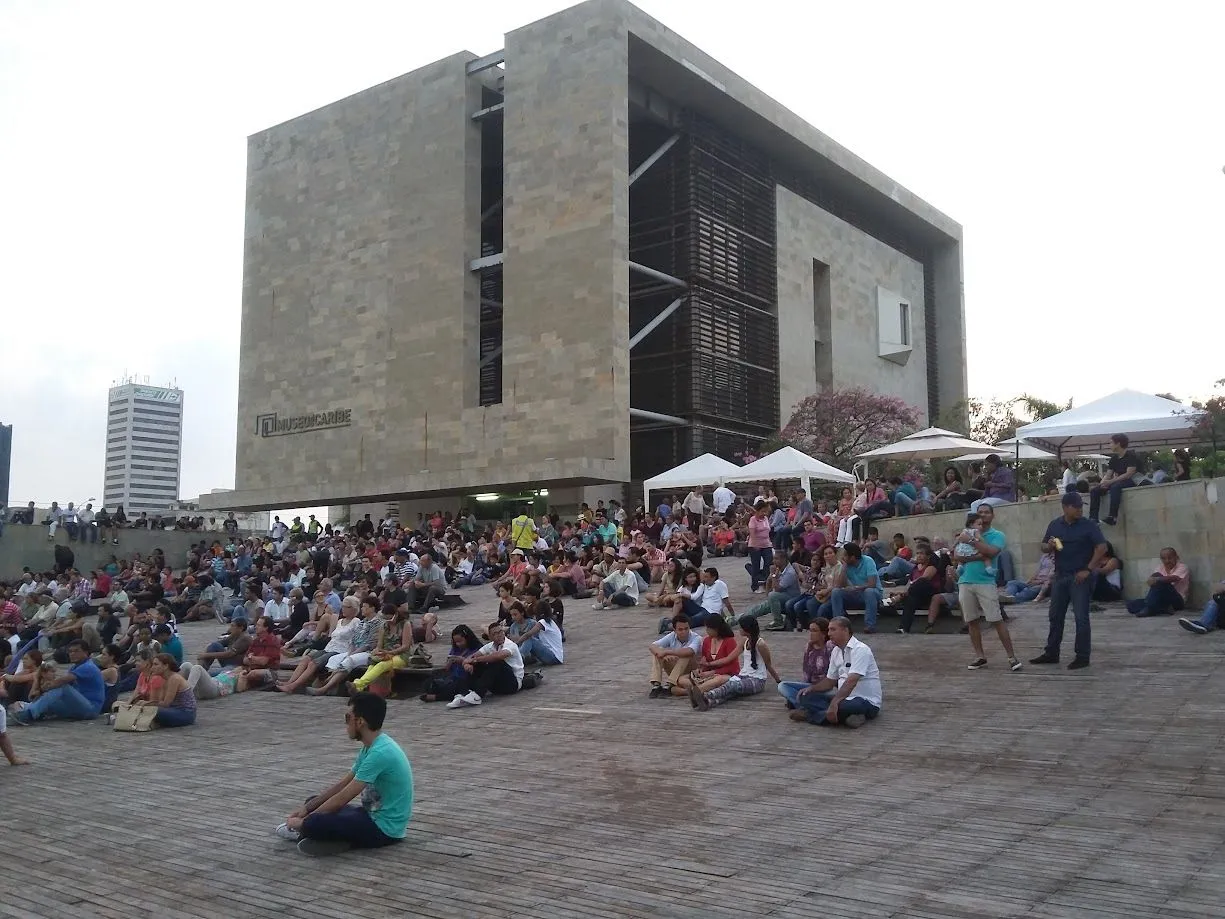
The Museo del Caribe is the single best museum on the Colombian Caribbean coast. Five floors organized by theme, Nature, People, Word, Expression, Action, with serious exhibits on the region’s ecology, history, oral traditions, and music. The fourth floor’s tribute to Gabriel García Márquez alone is worth the ticket (COP 18k adult). Closed Mondays. Plan 2 to 3 hours.
Book Tours & Experiences in Barranquilla
Carnival tours, city walks, day trips to the coast & more - instant confirmation
* Affiliate link - helps support this site at no cost to you
The museum sits inside the Parque Cultural del Caribe, which also houses the Biblioteca Piloto del Caribe and the Antiguo Edificio de la Aduana (the old customs house, worth a look even from outside). You can happily spend a full morning on the block.
3. Eat a whole fried fish at Bocas de Ceniza
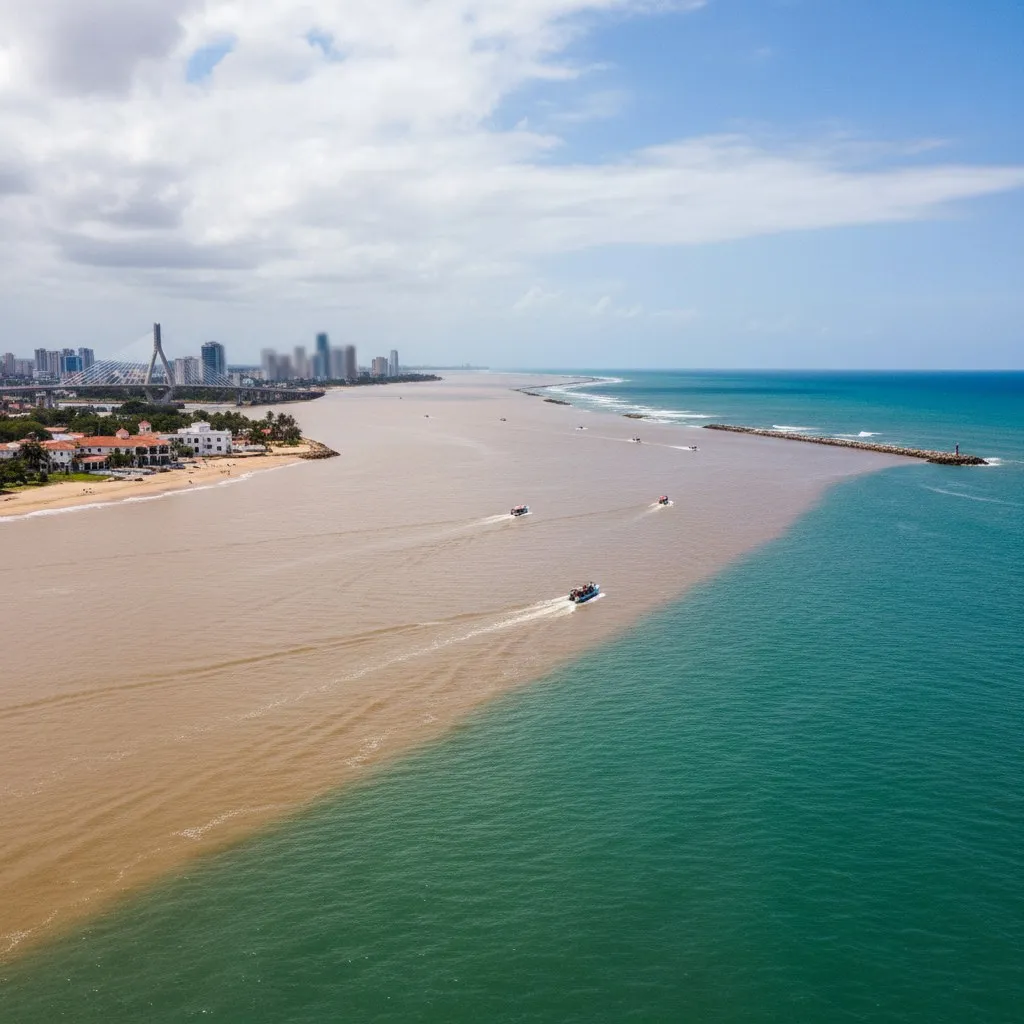
Where the Magdalena River meets the Caribbean Sea. The trip out is half the experience: you ride an old rail jetty for several kilometers into the estuary on a small flatbed trolley, then arrive at a village of seafood shacks, a lighthouse, and a dramatic break between brown river water and blue sea. Lunch on mojarra and coconut rice while pelicans dive offshore. Half-day activity; Uber to the trolley station at Bocas de Ceniza (“chorrito de acero”), about COP 25,000 round-trip plus the trolley fare. You can also see the same estuary from the water on a guided Magdalena River and Bocas de Ceniza boat tour on Viator.
Photo via Viator
4. Visit Carnaval (or the Carnaval museum)
If you’re in town between late January and mid-February, this dominates everything. See our dedicated Carnaval guide. Outside festival dates, visit the Casa del Carnaval (Carrera 54 # 49B-39), which houses costumes, masks, photos, and context, the best year-round way to understand what makes Barranquilla Barranquilla.
5. Drink and dance at La Troja
The iconic open-air salsa-and-champeta corner bar that anchors the city’s music identity. Friday or Saturday night, arrive by 10 PM. See the nightlife guide for context.
Say this at the door
"¿Hay cobro de entrada esta noche? ¿A qué hora empieza la música en vivo?"
"Is there a cover charge tonight? What time does the live music start?"
7. Pick one of Barranquilla’s musical institutions for a live night
La Cueva’s Thursday live music; a Sunday matinée salsa at La Troja; a concert at the Teatro Amira de la Rosa; BarranquiJazz (September). Picking any one will give you more of the city’s soul than a dozen museums.
A 48-hour weekend itinerary
Friday evening: Malecón walk at sunset, dinner at Varadero or Pescayé, drinks at Cacique Cocktail Bar, late dancing at La Troja. Saturday morning: breakfast arepas on Carrera 43, walk through El Prado, visit the Museo del Caribe, lunch in the Centro or at La Cueva. Saturday afternoon: nap. (Not a joke, the 2 PM heat is no joke either.) Afternoon coffee at a café in Alto Prado. Saturday night: dinner at Cucayo, Saltimbocca, or Madre Monte; drinks at the Movich Buró 51 rooftop; a club or live-music venue if you still have it in you. Sunday morning: Ciclovía on the Malecón or a bike ride, brunch in Villa Country, lazy afternoon at the pool or a day trip to Puerto Colombia. Sunday afternoon/evening: Puerto Colombia pier and beachfront lunch, back to town for a sunset cocktail at Roof 53 before your flight.
Day trips out of the city
Puerto Colombia (20 min)
The original beach town on the Caribbean coast, Colombia’s oldest customs port, and the closest seaside escape. A historic pier, beachfront seafood shacks, the Castillo de Salgar nearby. Half-day trip at minimum; a full day if you want to lunch and linger.
Salgar / Pradomar (30 min)
A little further up the coast. Better swimming than Puerto Colombia’s town beach and popular Sunday-afternoon venues like Pradomar, a beach-restaurant-day-club on a sandy strip. Great for a long lunch.
Tubará / Juan de Acosta (1 hour)
Quieter coastal hamlets north of Puerto Colombia with small beaches, palm groves, and fewer crowds. Best by car; rideshare works one-way if you arrange a return.
Isla Salamanca National Park (45 min)
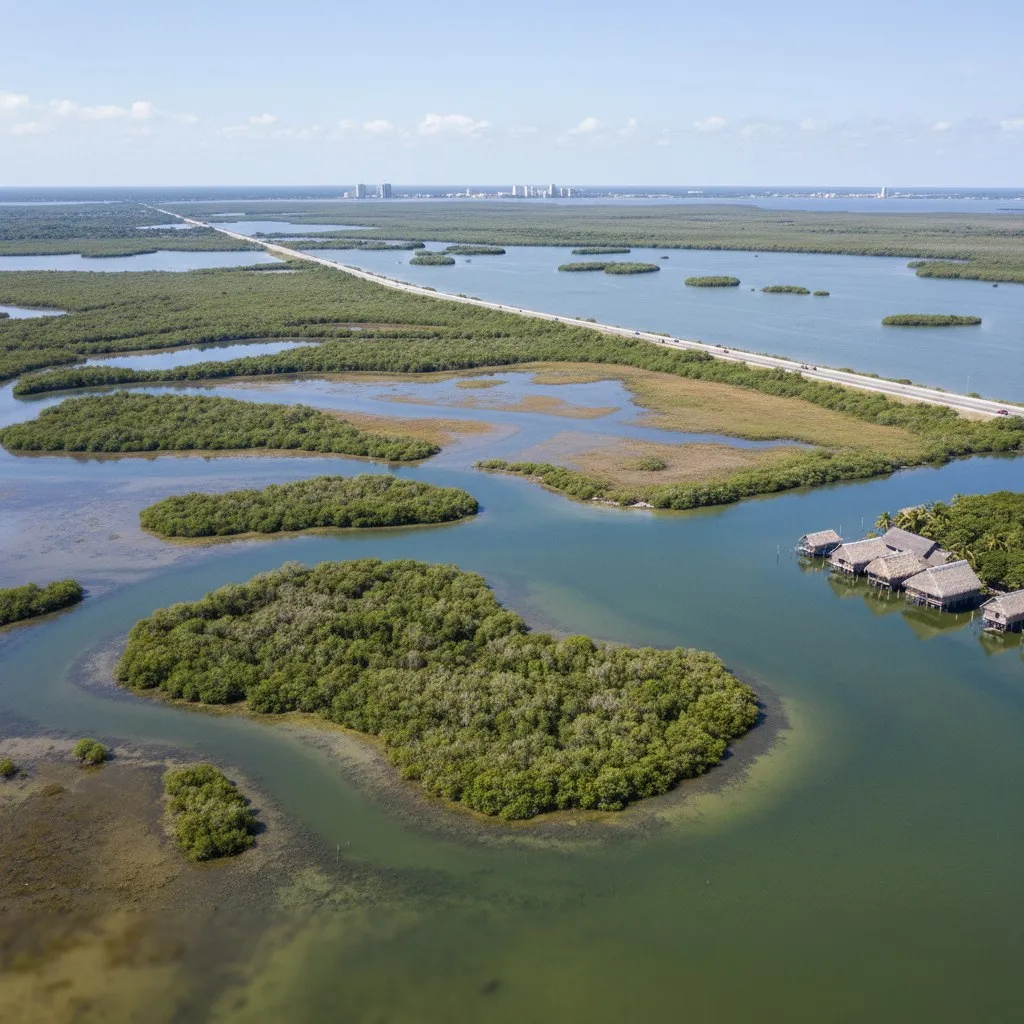
A mangrove-and-bird national park straddling the road to Santa Marta. Boat tours into the mangroves, serious birding, and crocodile spotting. Best with a guided tour booked through operators like ProColombia-listed agencies. Entry to Isla Salamanca is COP 20,000 to 35,000 (USD 5 to 9) depending on nationality; check current rates at the park entrance.
Cartagena (2 to 2.5 hours)
Colombia’s most-visited tourist city. Walled colonial old town at Ciudad Amurallada, beaches at Bocagrande and the Rosario Islands, food and nightlife at a higher tourist intensity. Easy as a long day trip; better as an overnight. Bus or private transfer.
Santa Marta, Minca, Tayrona, Palomino (2 to 4 hours)
The coastal-mountain circuit northeast of Barranquilla. Santa Marta itself is workaday; Minca is a cool-weather mountain town 45 minutes up the hills with coffee farms and waterfalls; Parque Tayrona is the iconic Caribbean-jungle-meets-ocean national park; Palomino is the beach village where backpackers end up. Doable as an overnight, better as 3 to 5 days.
Museo del Atlántico, a newer space in the restored Antiguo Edificio de la Aduana, focused on regional history. Good companion piece to the Museo del Caribe.
Teatro Amira de la Rosa, the city’s historic theater, worth visiting for a show or for the Art Deco interior.
Barrio Abajo mural walk, a self-guided walk through the murals and traditional dance schools of the Barrio Abajo neighborhood, best done with a local guide or in the Carnaval lead-up when the murals are freshest.
Mercado de Barranquilla / Gran Central, for a non-tourist experience. Fruits, spices, raw seafood, wholesale everything. Go with a local.
Independent design and crafts: a handful of boutiques in Alto Prado and Villa Country sell Colombian fashion, leather goods, and jewelry. Ask at your hotel for current favorites.
With kids
Museo del Caribe, interactive exhibits engage kids 6+.
Zoológico de Barranquilla.
Malecón bike ride and kid-friendly restaurants in the waterfront food court.
Sunday Ciclovía.
Day trip to Pradomar or Salgar for beach swimming.
Rooftop hotel pools, Sonesta and Dann Carlton are the most kid-friendly.
Guided tours and operators
Barranquilla has fewer organized tour operators than Cartagena, but a growing group of small English-speaking guides run:
Carnaval cultural tours (Carnaval week and year-round museum-based versions)
Book via Airbnb Experiences, GetYourGuide, or local operators like Magia Tours Barranquilla and Kasa Tours. Your hotel can usually point you to current operators.
Practical tips for attractions and day trips
Opening hours vary and change seasonally. Check the Google Maps listing (links above) before going: hours are usually current there even when websites aren't. Best time to visit outdoor sites is before 10 AM or after 4 PM to avoid peak heat (30 to 36°C). Entry fees: Museo del Caribe COP 18,000 adult (USD 4.50), Casa del Carnaval COP 8,000 (USD 2), Zoológico de Barranquilla COP 22,000 adult (USD 5.50). Bocas de Ceniza trolley: approximately COP 25,000 round-trip (USD 6). Parque Tayrona entry: COP 78,000 foreign adult (USD 19.50). Day trips to Puerto Colombia or Pradomar are easiest by Uber or InDriver (COP 40,000 to 70,000 each way / USD 10 to 17). For Tayrona or Santa Marta, take a bus from Terminal de Transporte (COP 25,000 to 40,000 / USD 6 to 10) or hire a private driver.
When to visit
Carnaval (late January-mid-February), peak everything. Plan 6+ months ahead.
December-March (dry season excluding Carnaval), best weather: hot but breezy, very little rain. Ideal for beach trips.
April-June, transitioning to rainy season. Short afternoon rains, still mostly sunny, fewer crowds.
September-November (rainy season), heavy rain in bursts, occasional flooding. Hotel rates lowest. BarranquiJazz in September is the exception worth planning around.
July-August, school vacation in Colombia, domestic tourism up, weather good.
Opening hours, ticket prices, and tour operators change. Last re-verification: April 2026.
Still have questions?¿Todavía tienes preguntas?
Catalina is our concierge. Ask her about visas, neighborhoods, healthcare, prices, anything Barranquilla. She answers in chat or WhatsApp, English or Spanish, free.Catalina es nuestra concierge. Pregúntale sobre visas, barrios, salud, precios, cualquier cosa de Barranquilla. Responde por chat o WhatsApp, en inglés o español, gratis.
Specific question while you read? Ask Catalina, the Barranquilla Guide concierge.¿Tiene una pregunta mientras lee? Pregúntale a Catalina, la concierge de Barranquilla Guide.Chat with Catalina ›Habla con Catalina ›
Actualizado en abril de 2026. Barranquilla no es una ciudad de postal; es una metrópolis caribeña viva, laboriosa, sudorosa y amante de la música. Lo mejor para hacer acá no trata de monumentos sino de estar en el lugar indicado en el momento justo. Esta guía es la lista corta, las cosas que de verdad definen la ciudad, organizadas por la duración de tu viaje.
Las experiencias esenciales de Barranquilla
1. Camina el Gran Malecón al atardecer
La mejor actividad sencilla de la ciudad. El Gran Malecón es un paseo de 5 kilómetros por la orilla del río Magdalena, abierto en 2018 y ampliado desde entonces. Pasa por parques, comedores, arte público (incluyendo la estatua de Shakira, ella es de Barranquilla, y el monumento Aleta del Tiburón), y tramos tranquilos para mirar el río. Mejor entre las 5 y las 7 de la tarde cuando la luz es buena y baja el calor. Gratis, siempre abierto.
2. Mira el Museo del Caribe
El Museo del Caribe es el mejor museo de toda la costa caribeña colombiana. Cinco pisos organizados por tema · Naturaleza, Gente, Palabra, Expresión, Acción · con exhibiciones serias sobre la ecología, historia, tradiciones orales y música de la región. El tributo del cuarto piso a Gabriel García Márquez por sí solo vale la entrada (COP 18k adultos). Cerrado los lunes. Dedica 2 a 3 horas.
Reserva Tours y Experiencias en Barranquilla
Tours de Carnaval, caminatas por la ciudad, paseos a la costa y más · confirmación instantánea
* Enlace de afiliado · nos ayuda sin costo para ti
El museo está dentro del Parque Cultural del Caribe, que también alberga la Biblioteca Piloto del Caribe y el Antiguo Edificio de la Aduana (la vieja aduana, vale la pena mirar aunque sea desde afuera). Tranquilamente puedes pasar una mañana entera en la cuadra.
3. Come un pez frito entero en Bocas de Ceniza
Donde el río Magdalena se encuentra con el mar Caribe. El viaje es la mitad de la experiencia: viajas en un jetty de riel viejo durante varios kilómetros en el estuario en un carrito plano pequeño, luego llegas a un pueblo de cafeterías de mariscos, un faro y un dramático encuentro entre el agua marrón del río y el mar azul. Come mojarra y arroz con coco mientras los pelícanos se lanzan al agua. Media jornada; toma un Uber a la estación del carrito en Bocas de Ceniza ("chorrito de acero"), unos COP 25.000 ida y vuelta más la tarifa del carrito. También puedes ver el mismo estuario desde el agua en un tour guiado en bote por el Río Magdalena y Bocas de Ceniza en Viator.
Foto vía Viator
4. Visita el Carnaval (o el museo del Carnaval)
Si estás en la ciudad entre finales de enero y mediados de febrero, esto lo domina todo. Mira nuestra guía dedicada del Carnaval. Fuera de las fechas del festival, visita la Casa del Carnaval (Carrera 54 # 49B-39), que alberga disfraces, máscaras, fotos y contexto, la mejor forma todo el año de entender qué hace que Barranquilla sea Barranquilla.
5. Bebe y baila en La Troja
El icónico bar de esquina al aire libre de salsa y champeta que define la identidad musical de la ciudad. Viernes o sábado por la noche, llega antes de las 10 PM. Mira la guía de vida nocturna para contexto.
Di esto en la puerta
"¿Hay cobro de entrada esta noche? ¿A qué hora empieza la música en vivo?"
"Is there a cover charge tonight? What time does the live music start?"
7. Elige una de las instituciones musicales de Barranquilla para una noche en vivo
Música en vivo los jueves en La Cueva; una matinada de salsa los domingos en La Troja; un concierto en el Teatro Amira de la Rosa; BarranquiJazz (septiembre). Escoger cualquiera te dará más del alma de la ciudad que una docena de museos.
Un itinerario de fin de semana de 48 horas
Viernes por la noche: paseo por el Malecón al atardecer, cena en Varadero o Pescayé, tragos en Cacique Cocktail Bar, baile tarde en La Troja. Sábado por la mañana: desayuno de arepas en Carrera 43, paseo por El Prado, visita al Museo del Caribe, almuerzo en el Centro o en La Cueva. Sábado por la tarde: siesta. (No es broma, el calor de las 2 PM no es broma tampoco.) Café por la tarde en un café en Alto Prado. Sábado por la noche: cena en Cucayo, Saltimbocca o Madre Monte; tragos en la azotea del Movich Buró 51; un club o venue de música en vivo si aún tienes energía. Domingo por la mañana: Ciclovía en el Malecón o un paseo en bici, brunch en Villa Country, tarde tranquila en la piscina o un paseo de un día a Puerto Colombia. Domingo por la tarde/noche: muelle de Puerto Colombia y almuerzo frente a la playa, de vuelta a la ciudad para un coctel al atardecer en Roof 53 antes de tu vuelo.
Paseos de un día desde la ciudad
Puerto Colombia (20 min)
El pueblo de playa original en la costa caribeña, el puerto aduanal más viejo de Colombia y la escapada costera más cercana. Un muelle histórico, cafeterías de mariscos frente al mar, el Castillo de Salgar cercano. Mínimo media jornada; día completo si quieres almorzar y quedarte un rato.
Salgar · Pradomar (30 min)
Un poco más lejos en la costa. Mejor baño que la playa del pueblo en Puerto Colombia y lugares populares los domingos por la tarde como Pradomar, un día club de playa-restaurante en una franja de arena. Excelente para un almuerzo largo.
Tubará · Juan de Acosta (1 hora)
Pueblitos costeros más tranquilos al norte de Puerto Colombia con playas pequeñas, palmares y menos gente. Mejor en carro; el viaje compartido funciona de una sola vía si coordinas el regreso.
Parque Nacional Isla Salamanca (45 min)
Un parque nacional de manglares y aves que atraviesa la carretera a Santa Marta. Tours en bote por los manglares, avistamiento serio y búsqueda de cocodrilos. Mejor con un tour guiado reservado a través de operadores como agencias listadas por ProColombia. La entrada a Isla Salamanca es COP 20.000 a 35.000 (USD 5 a 9) dependiendo de la nacionalidad; confirma las tarifas actuales en la entrada del parque.
Cartagena (2 a 2.5 horas)
La ciudad turística más visitada de Colombia. Centro histórico amurallado en Ciudad Amurallada, playas en Bocagrande e Islas del Rosario, comida y vida nocturna con mayor intensidad turística. Fácil como paseo de día completo; mejor como una noche. Bus o transferencia privada.
Santa Marta, Minca, Tayrona, Palomino (2 a 4 horas)
El circuito costero-montaña al noreste de Barranquilla. Santa Marta en sí es ordinaria; Minca es un pueblo montañés de clima frío 45 minutos colina arriba con fincas de café y cascadas; Parque Tayrona es el icónico parque nacional donde la jungla caribeña se encuentra el océano; Palomino es el pueblo de playa donde terminan los mochileros. Posible como una noche, mejor como 3 a 5 días.
Museo del Atlántico, un espacio más nuevo en el Antiguo Edificio de la Aduana restaurado, enfocado en historia regional. Buena pieza complementaria del Museo del Caribe.
Teatro Amira de la Rosa, el teatro histórico de la ciudad, vale la pena visitar para una función o por el interior Art Deco.
Paseo de murales de Barrio Abajo, un paseo autoguiado por los murales y escuelas tradicionales de danza del barrio Abajo, mejor con un guía local o en la antesala del Carnaval cuando los murales están frescos.
Zoológico de Barranquilla, zoológico en la zona de Prado Viejo; de tamaño medio, decente por estándares regionales de zoo, actividad razonable con niños.
Jardín Botánico, jardín botánico pequeño en las afueras de la ciudad, menos desarrollado que los de Medellín o Bogotá pero agradable para una mañana.
Ciénaga de Mallorquín, una laguna al norte de la ciudad con manglares, vida de aves y un nuevo paseo de ecoturismo. Media jornada con guía.
Mercado de Barranquilla · Gran Central, para una experiencia sin turismo. Frutas, especias, mariscos crudos, todo al por mayor. Ve con un local.
Diseño independiente y artesanías: un puñado de boutiques en Alto Prado y Villa Country venden moda colombiana, artículos de cuero y joyería. Pregunta en tu hotel cuáles son los favoritos actuales.
Con niños
Museo del Caribe, exhibiciones interactivas enganchan niños de 6 años en adelante.
Zoológico de Barranquilla.
Paseo en bici por el Malecón y restaurantes aptos para niños en el patio de comidas de la orilla.
Ciclovía los domingos.
Paseo de un día a Pradomar o Salgar para nadar en la playa.
Piscinas de hoteles en la azotea, el Sonesta y Dann Carlton son los más aptos para niños.
Tours guiados y operadores
Barranquilla tiene menos operadores de tours organizados que Cartagena, pero un grupo creciente de guías pequeños que hablan inglés organizan:
Tours culturales de Carnaval (semana de Carnaval y versiones basadas en museos todo el año)
Tours de Bocas de Ceniza de media jornada en bote y carrito
Reserva vía Airbnb Experiences, GetYourGuide u operadores locales como Magia Tours Barranquilla y Kasa Tours. Tu hotel generalmente puede orientarte a operadores actuales.
Consejos prácticos para atracciones y paseos de un día
Los horarios varían y cambian según la temporada. Revisa el listado de Google Maps (enlaces arriba) antes de ir: los horarios generalmente están actualizados allí incluso cuando los sitios web no lo están. El mejor momento para visitar sitios al aire libre es antes de las 10 AM o después de las 4 PM para evitar el calor máximo (30 a 36°C). Tarifas de entrada: Museo del Caribe COP 18.000 adulto (USD 4.50), Casa del Carnaval COP 8.000 (USD 2), Zoológico de Barranquilla COP 22.000 adulto (USD 5.50). Carrito de Bocas de Ceniza: aproximadamente COP 25.000 ida y vuelta (USD 6). Entrada a Parque Tayrona: COP 78.000 adulto extranjero (USD 19.50). Los paseos de un día a Puerto Colombia o Pradomar son más fáciles con Uber o InDriver (COP 40.000 a 70.000 cada vía · USD 10 a 17). Para Tayrona o Santa Marta, toma un bus desde la Terminal de Transporte (COP 25.000 a 40.000 · USD 6 a 10) o contrata un chofer privado.
Cuándo visitar
Carnaval (finales de enero a mediados de febrero), pico de todo. Planifica con 6+ meses de anticipación.
Diciembre a marzo (temporada seca excluyendo Carnaval), mejor clima: caliente pero ventoso, muy poca lluvia. Ideal para viajes a la playa.
Abril a junio, transición hacia temporada de lluvias. Lluvias cortas por la tarde, aún mayormente soleado, menos gente.
Septiembre a noviembre (temporada de lluvias), lluvia fuerte en ráfagas, ocasionales inundaciones. Tarifas de hotel más bajas. BarranquiJazz en septiembre es la excepción que vale la pena planear.
Julio a agosto, vacaciones escolares en Colombia, turismo doméstico al alza, clima bueno.
Los horarios, tarifas de entrada y operadores de tours cambian. Última verificación: abril de 2026.
Still have questions?¿Todavía tienes preguntas?
Catalina is our concierge. Ask her about visas, neighborhoods, healthcare, prices, anything Barranquilla. She answers in chat or WhatsApp, English or Spanish, free.Catalina es nuestra concierge. Pregúntale sobre visas, barrios, salud, precios, cualquier cosa de Barranquilla. Responde por chat o WhatsApp, en inglés o español, gratis.
Get the guide in your inboxRecibe la guía en tu correo
Weekly picks, new guides, and things worth knowing about Barranquilla. No noise, no news feed. Just the useful stuff.Cada semana: recomendaciones, guías nuevas y lo que vale la pena saber de Barranquilla. Sin ruido, sin feed de noticias. Solo lo útil.