
Barranquilla has a serious sweet tooth, and the reason goes back a long way. The coast’s dessert tradition is a braid of four cuisines: Indigenous fruit knowledge, Spanish sugar and milk conserves, African coconut mastery, and a late-19th-century Lebanese wave that brought baklava, mamul, and the semolina-and-date family of pastries. You can taste all four layers on any given Barranquilla afternoon, in a palenquera’s cocada, a raspao de kola on Paseo Bolívar, a mil hojas at Le Colate, or a Frozomalt at Heladería Americana. This is a guide to that whole world: the street treats, the neighborhood institutions, and the modern pastry rooms. Not just the fanciest addresses, the ones the locals actually grew up with.
"¿Cuál es el sabor del día? ¿Tienen algo de temporada?"
"What's the flavor of the day? Do you have anything seasonal?"
A little history
Sugar came with the Spanish in the form of cane fields and panela; dairy arrived on the same ships. The enslaved African population on the coast brought the coconut, the base of almost every coastal sweet, from cocadas to enyucado to coconut rice. The Indigenous contribution was the fruit: corozo, níspero, zapote, guanábana, mamey, tamarindo, the whole tropical cabinet. And the Lebanese families who arrived in the late 1800s and early 1900s, many landing through Puerto Colombia, set up bakeries and sweet shops whose descendants still run them today. Margarita Saieh de Jassir, Doña Linda, a long list of apellidos behind the pastry counter. Barranquilla has more Lebanese establishments than any other Colombian city, and the sweet shops are where that shows up most.
The calendar matters too. Semana Santa is the biggest sweet week of the year, Lent pulled meat off the table, so the coast developed an entire parallel cuisine of fruit-and-panela dulces. Parque Tomás Suri Salcedo in the historic center has been the unofficial Festival del Dulce for more than forty years. Christmas brings natilla and buñuelos, both more homemade than sold. And Carnaval adds its own sweet layer, Dolce Gelo even builds a flavor lineup around it.
The flavor alphabet
A few ingredients show up in almost every costeño sweet worth eating. Coconut, the backbone. Panela, unrefined cane sugar, the caramel voice. Arequipe, Colombia’s dulce de leche. Yuca and corn, the starch for enyucado and natilla. And a rotating cast of tropical fruits: corozo (a tart reddish-purple palm fruit), níspero (sapodilla), zapote (earthy, orange, unmistakable), mamey, guanábana (soursop), tamarindo, guayaba, maracuyá. If a heladería doesn’t carry at least three of these, it isn’t really from here.
Street treats & traditions
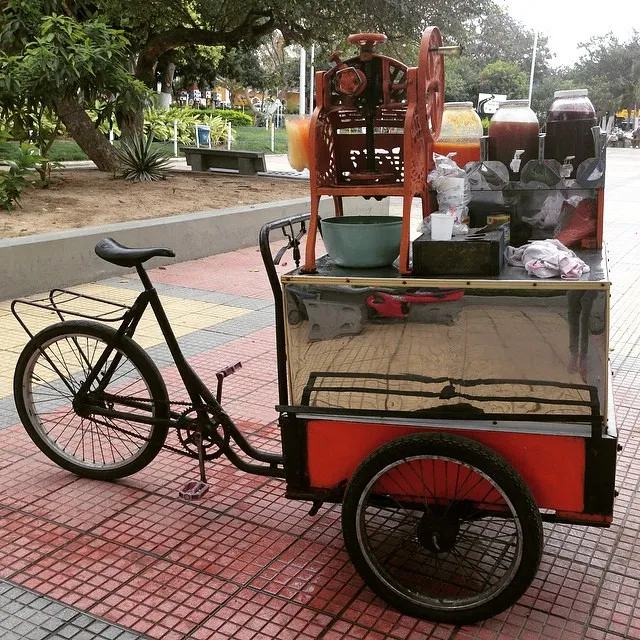
Raspao. Shaved ice doused in bright fruit syrup, sometimes topped with condensed milk. The tradition dates to 1925, when the Lequerica brothers opened Hielo Imperial, the city’s first ice plant. Vendors with hand planers would shave the block into a paper cup. Raspao de kola, that deep-red cola syrup, is the local signature; tamarindo, corozo, and maracuyá are the other classics. There’s a sculpture of a caiman holding a raspao on the Malecón. That’s how embedded it is.
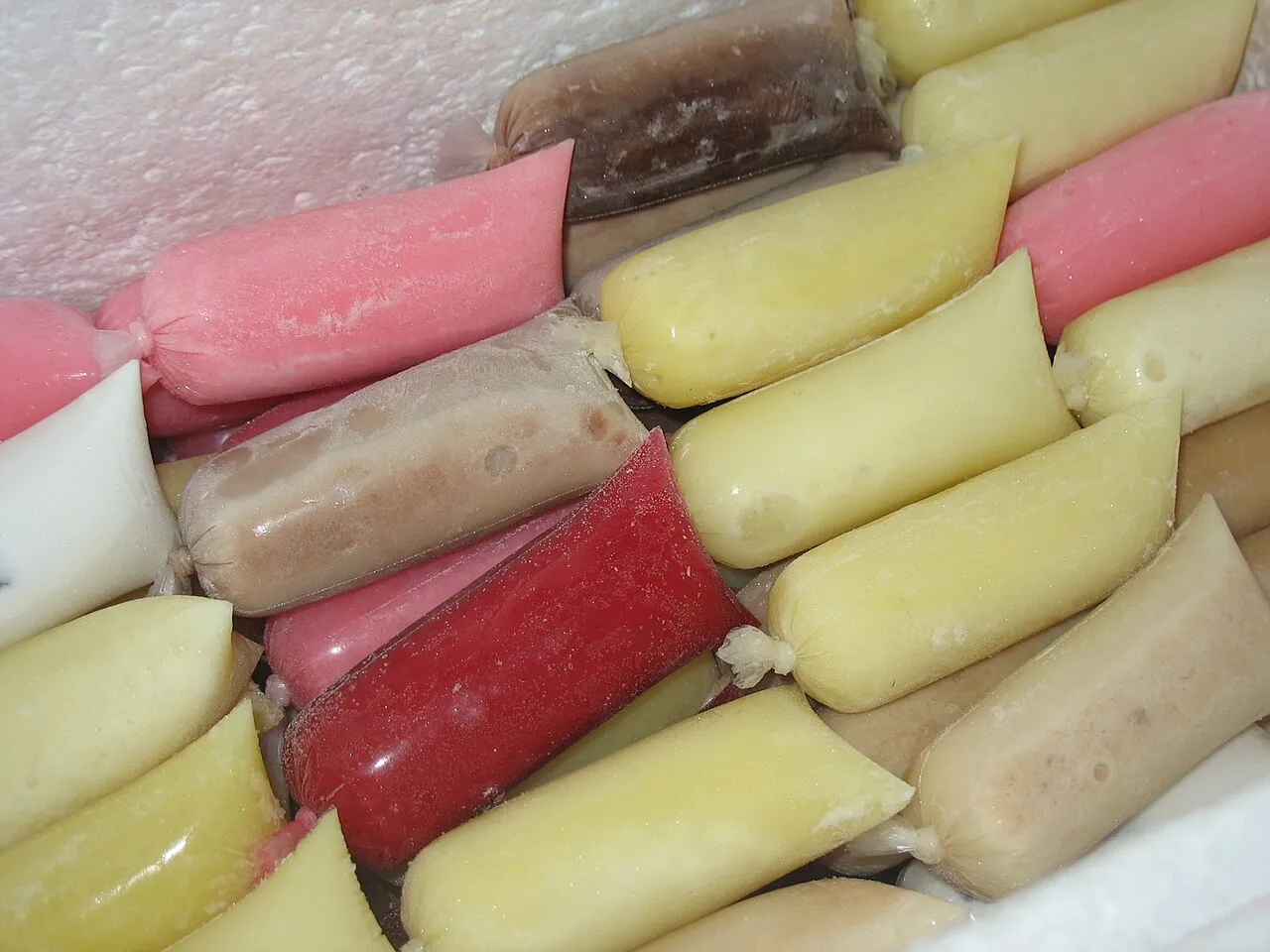
Boli. Homemade fruit popsicles frozen in skinny plastic tube bags. You bite a corner and squeeze. Moms and abuelas freeze them from corozo, tamarindo, mango, guanábana, or níspero and send the kids out to sell them from coolers. A boli de corozo is the taste of a Barranquilla afternoon.
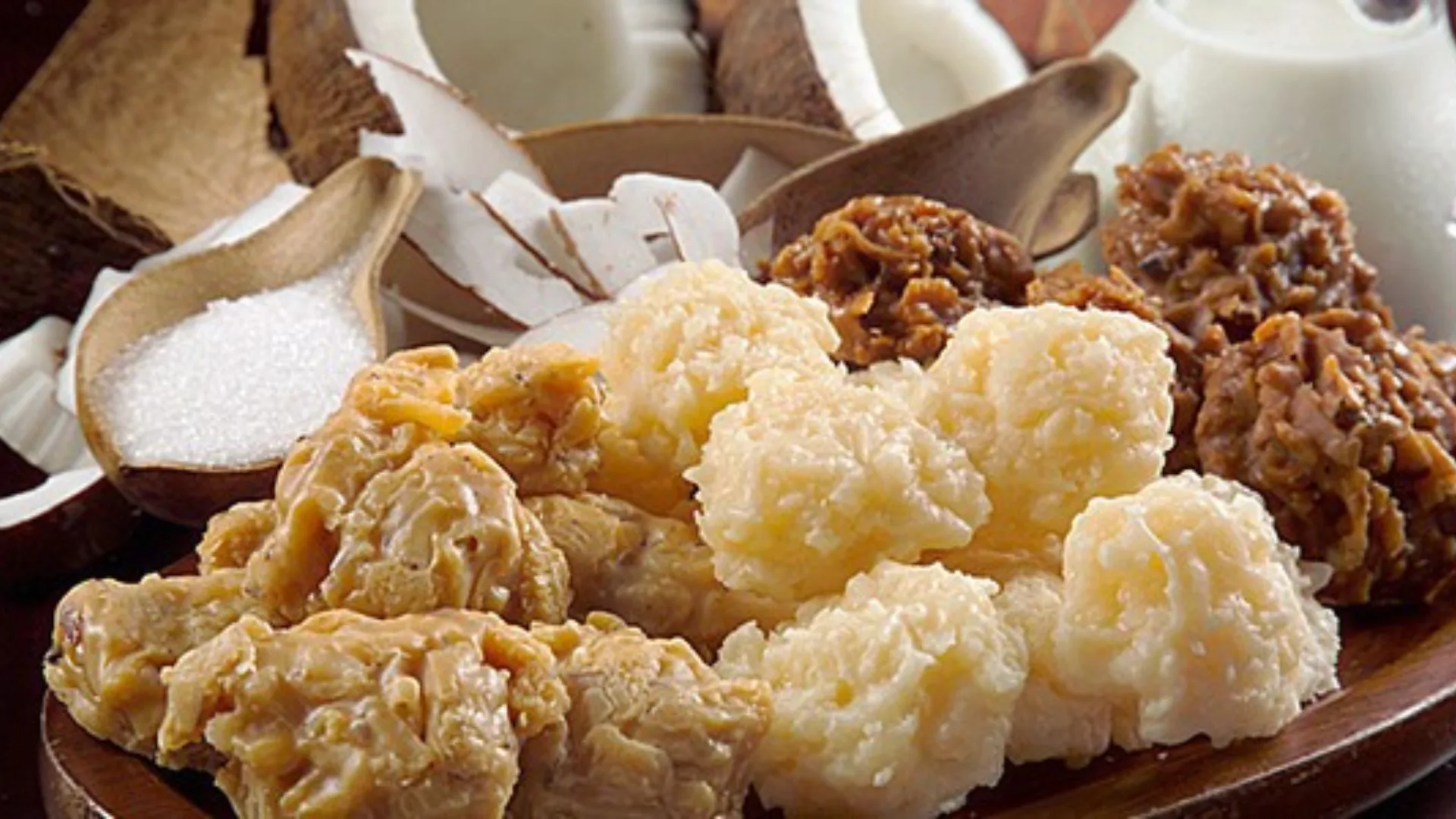
Cocadas. Coconut cooked down with panela until it’s a chewy, toasty brick, sometimes dressed with arequipe, piña, or guayaba. The iconic sellers are the palenqueras, Afro-Colombian women from San Basilio de Palenque who walk with wide palanganas balanced on their heads, dressed in ruffled bright dresses. They’re the living link between West African and Caribbean cooking, and they’re at Paseo Bolívar, outside the shopping centers, and at every Carnaval and Semana Santa crowd.
Alegrías. Puffed rice or millet bound with panela into a ball or bar. Crunchy, sweet, nostalgic. Also palenquera-sold.
Dulces de Semana Santa. The big one. Dulce de ñame (yam candy, sticky and almost caramelly), dulce de coco, dulce de papaya (also called caballito), dulce de guandul (pigeon pea, unexpectedly floral), dulce de piña, dulce de mango verde, dulce de leche cortada. Parque Tomás Suri Salcedo is the epicenter, but you’ll see palenqueras with trays in every central neighborhood during Holy Week.
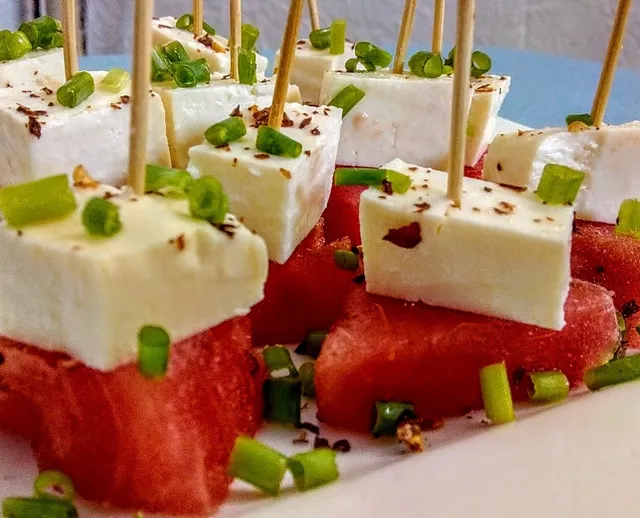
Patillazo. A cold wedge of watermelon topped with a square of salty queso costeño. A street-cart snack. The salty-sweet balance is very costeño, it belongs here the way watermelon-and-feta belongs in Greece.
Enyucado. Baked sweet of grated yuca, coconut, anise, and panela. Dense, chewy, a little sandy in the best way. More home-kitchen than storefront, but Doña Linda carries it and the Semana Santa vendors always have some.
Besitos de coco. Tiny coconut-meringue drops. Sweet, sticky, the name (“little coconut kisses”) doing most of the marketing.
Agua de panela con limón y queso. Not a treat exactly, a hot panela-and-lime water with a chunk of melting queso costeño dropped in. The Colombian comfort move on a rainy morning.
Natilla and buñuelos. The December pairing. Corn-starch custard, cut into squares, next to fried-cheese fritters. Mostly homemade; many bakeries run seasonal boxes from mid-December.
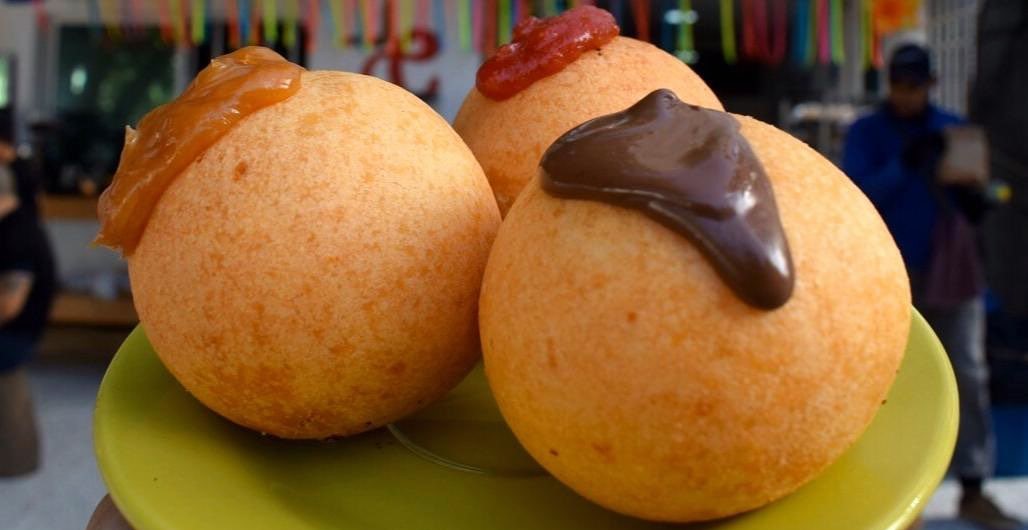
Frozomalt. Not street food, but it belongs in any conversation about Barranquilla sweets, the signature drink of Heladería Americana since 1936, a chocolate-ice-cream-milkshake hybrid served tall with a tropical-fruit jelly accent and the house cookie. Three generations of Barranquilleros have been ordering one.
Where to find the street sweets
Parque Tomás Suri Salcedo in the historic center is the single best place to graze traditional dulces, especially in Semana Santa. Vendors have been there for more than forty years; many are Afro-descendant women from generations of candy-makers. Paseo Bolívar has a roving raspao and cocada scene and a well-known raspao vendor, Lucho, who sets up early. Gran Bazar, the reorganized central market (it replaced the old Barranquillita stalls in 2024), is the formal-market option, 752 vendors, food court, street-treat stalls, all under one roof between Calles 7 and 9. And during Semana Santa, the palenqueras spread out across every mall and plaza in the city.
The institutions
These are the places that have been feeding Barranquilleros for decades. Birthdays, quinceañeras, first communions, Mother’s Day, the cake came from one of these.
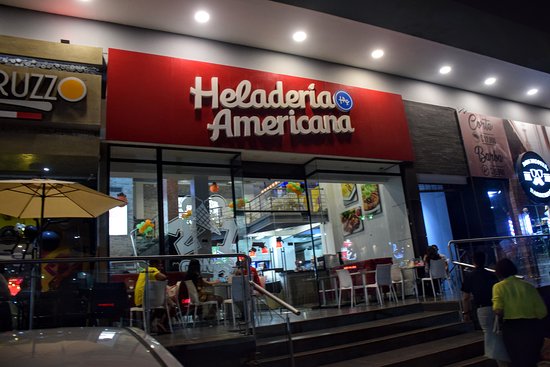
Heladería Americana
Flagship: Cra. 62 #76-12, Alto Prado (seven locations citywide)
The grand old man of Barranquilla sweets. Opened in 1936 by two Greek immigrants, Andreas Aristidou, a former New York waiter who’d learned artisanal ice cream in the States, and his partner Nicolás Angelogeanopoulos. The first shop was downtown in the Edificio Carrara and was originally called Lunchería Americana, reportedly the first American-style diner in Atlántico. It’s still family-run, now in its third generation, still making the same Frozomalt (a tall chocolate ice cream and milkshake hybrid with a tropical-fruit jelly accent and a signature cookie), still the after-school stop and the after-dinner stop and the Sunday-afternoon stop. The Calle 76 corner is a neighborhood landmark.
Order a Frozomalt the first time. After that you can pretend you’re a regular.
Don Jacobo Postres y Ponqués
Cra. 46 #84-170, Riomar
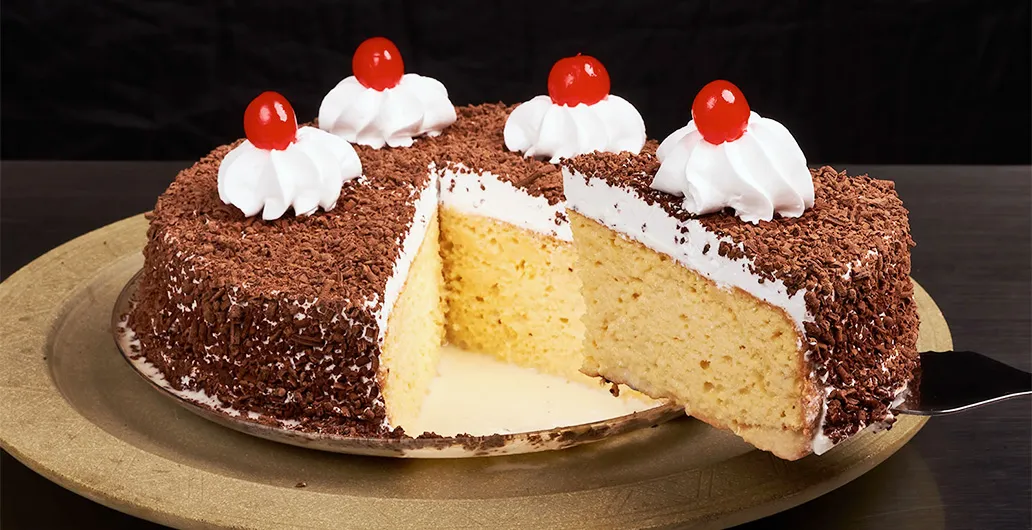
If Heladería Americana is the everyday treat, Don Jacobo is the occasion cake. Founded in 1986, family-run for almost forty years, and the birthplace of the Genovesa, a trademarked vanilla sponge covered in Italian meringue with chocolate shavings and cherries that has shown up at so many Barranquilla birthdays that the word is shorthand. When a local says “I’ll bring the Genovesa,” nobody asks what kind.
Order whole cakes 48 hours ahead for weekends.
Margarita Saieh de Jassir
Flagship on Av. Murillo; 20+ locations across Barranquilla, Soledad, Malambo, Cartagena
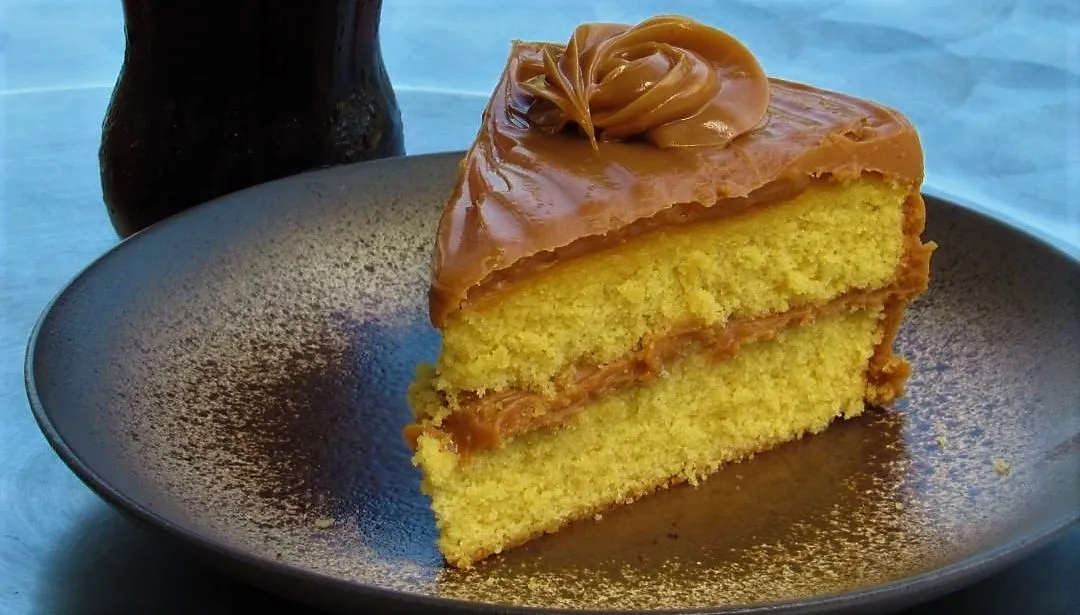
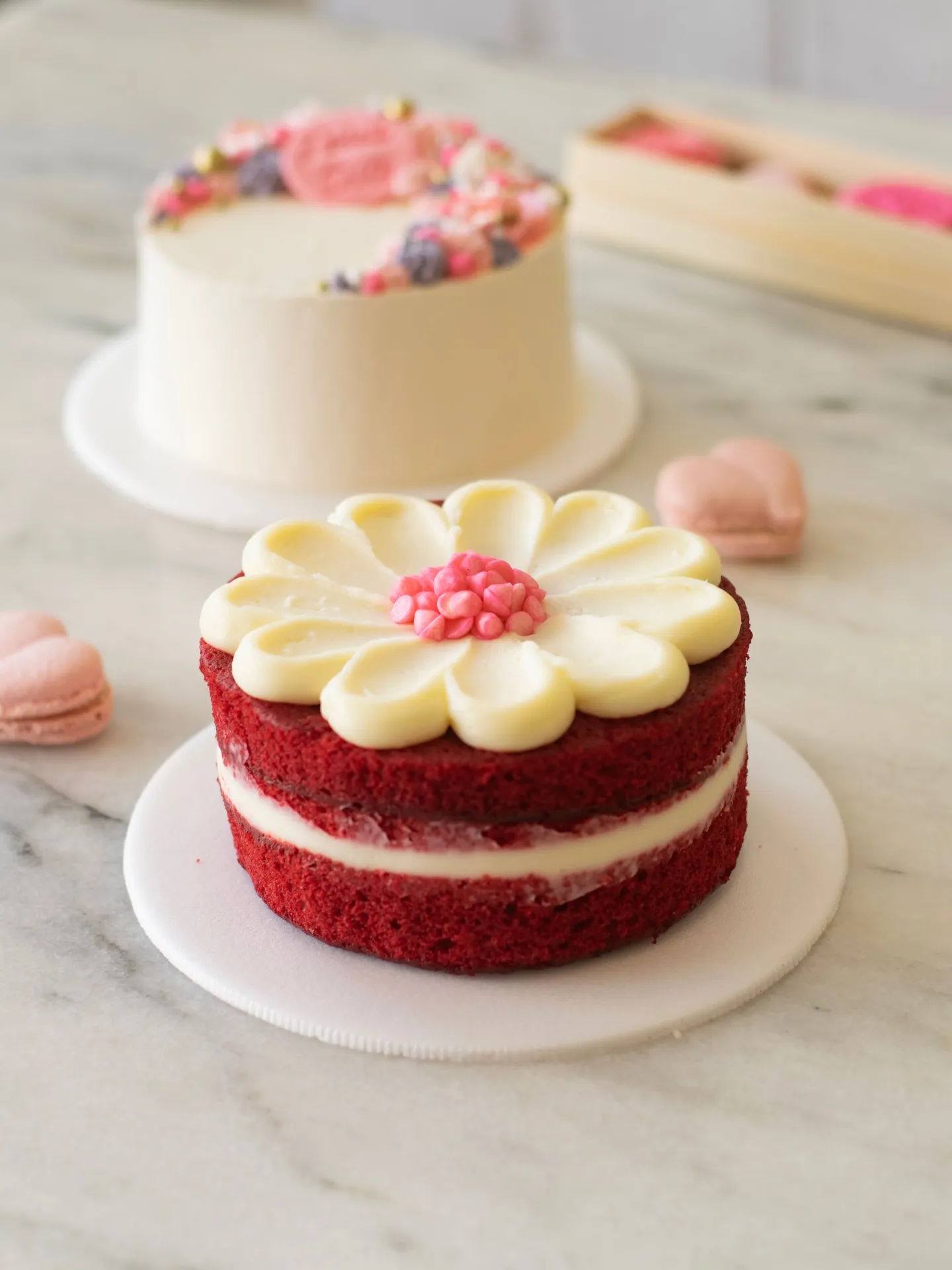
Started in 1993 as home baking by Margarita Saieh, opened its first storefront in 1994, and is now a Lebanese-Colombian family empire with more than twenty shops and two hundred employees. If Don Jacobo is the birthday cake, Saieh is the Tuesday pudding, the red velvet, the pudín de vainilla, the chocolate goodies, the tres leches. It’s the default everyday dessert shop for huge stretches of the city.
The pudines are the house specialty. Pick one.
Pan Santana
Cra. 49B con Calle 79 esquina
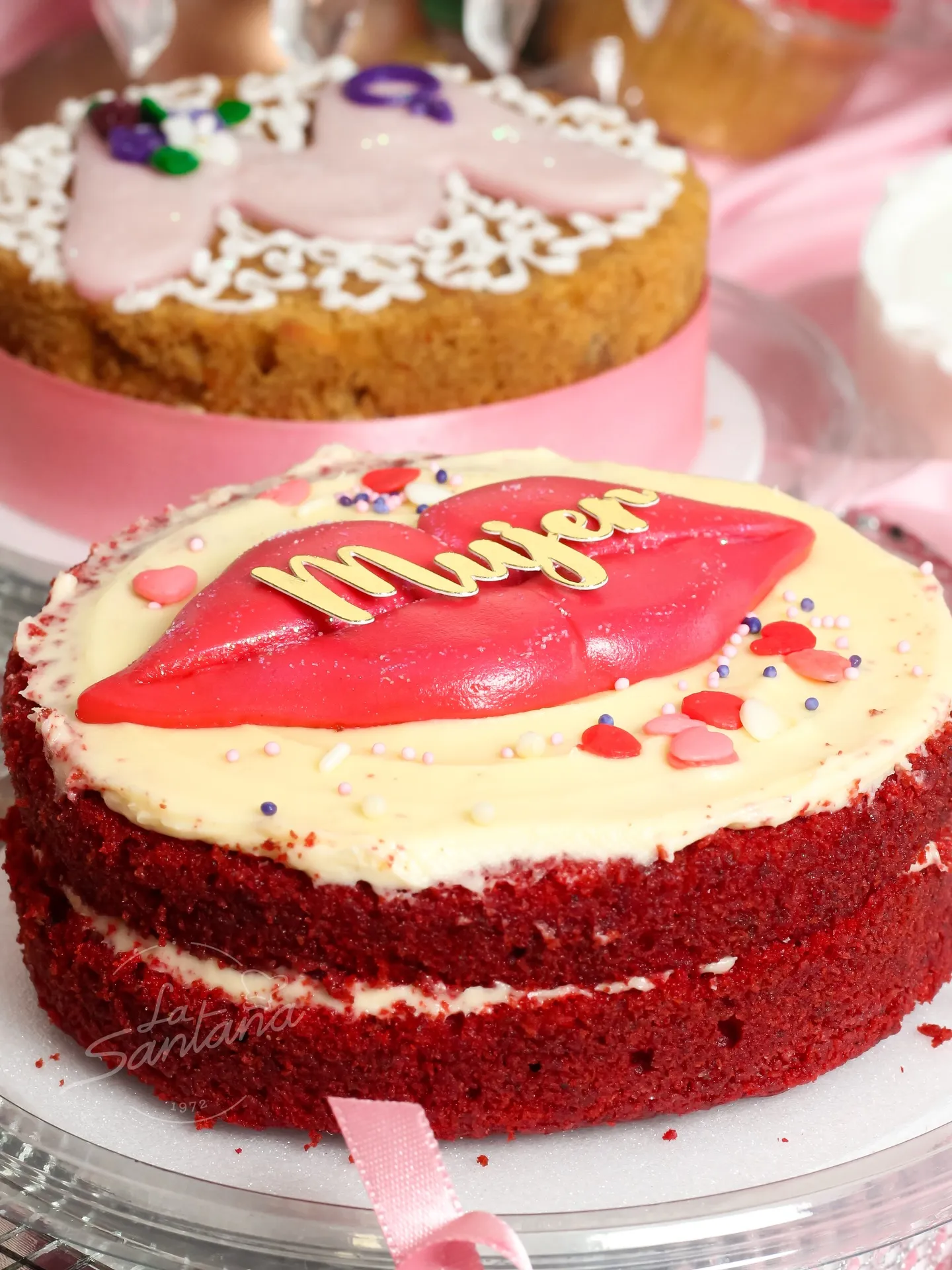
Founded in 1971 in San Jacinto, Bolívar, by Amira Viana de Villa and moved to Barranquilla the next year. Originally famous for its French bread, exported at one point to the Dominican Republic, Puerto Rico, Venezuela, and the U.S., it’s now as known for its sweets as its baguettes. Tres leches, strawberry-and-cream cakes, yuca cakes, condensed-milk Napoleons, message-cakes for birthdays. Sold to the Sánchez Argüelles family in 2016, which kept the original bakers on the line.
The Napoleon hojaldrado, the old-school condensed-milk version, is the order.
Panadería La Baguette
Cra. 59C #81-12, Alto Prado
The modern counterweight to Pan Santana, a newer-generation neighborhood bakery with more than two hundred types of bread and a serious dessert counter. Open 7am to 10pm, which is the secret: it’s open when you want it to be open. Strong line of low-sugar postres too, which matters on this coast.
Go for breakfast. The almojábanas and coffee are as much the point as the sweets.
Doña Linda
Cra. 50 #80-237
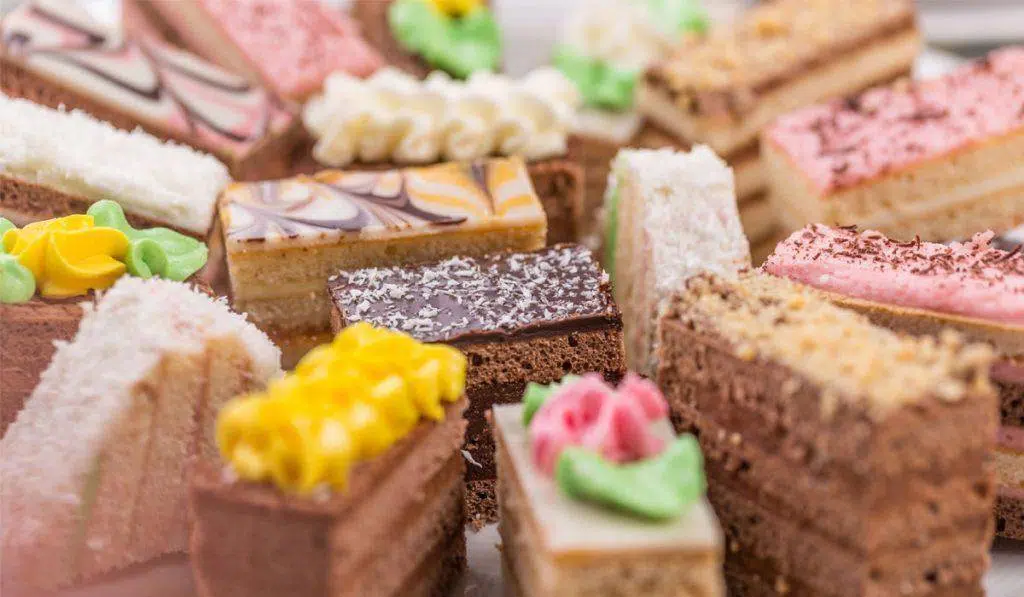
A living argument that Lebanese and Caribbean sweet traditions belong on the same plate. Baklawa and mamul sit next to cocadas de leche and tres leches, and the tres leches in particular has a citywide reputation. A good stop if you want to see how the two sides of Barranquilla’s dessert DNA actually coexist.
Try the baklawa and the cocada de leche side by side. That’s the whole city in two bites.
Repostería Nancy Cabrera
Cra. 56 #98-65; also CC Parque Washington (Calle 80 #53-18)
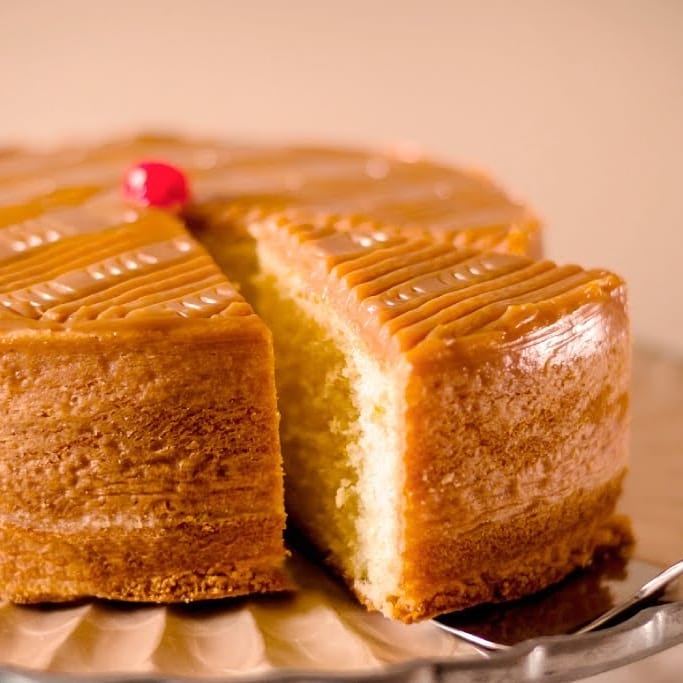
Nancy Cabrera is a local name, a chef whose repostería doubles as a restaurant. The torta de trufa de chocolate, a three-quarter-pound ganache cake, is the order most regulars reach for. Red velvet, carrot cake, and a guava cheesecake round out the short list.
The terrace is the best seat for a long coffee-and-cake afternoon.
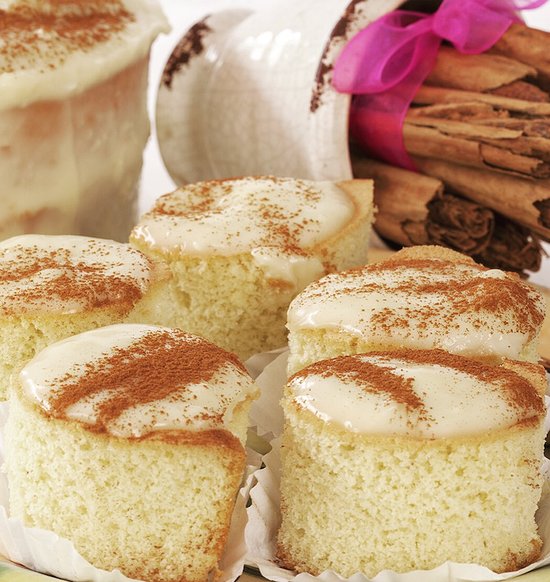
Piononos Pastelería
Cra. 65 #80-70
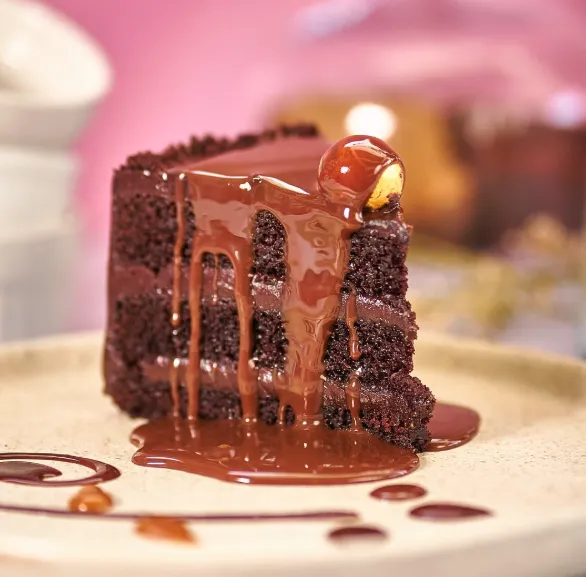
Small, family-recipe, a neighborhood secret that isn’t really a secret. The namesake pionono, a spongy cake rolled around cream, is what to order, but the María Luisa (vanilla cake with blackberry and dulce de leche), the pie de limón, and the isla flotante are all quietly excellent.
Cash is smoother than card here. Call ahead for the bigger cakes.
The modern patisseries
A wave of contemporary pastry rooms opened in north Barranquilla over the last fifteen years, and some of them are doing work that would hold up in any Latin American capital. These are the modern benchmarks.
Tart by Michelle Cure
Cra. 51B #82-38
Part café, part patisserie, part all-day eatery. Chef Michelle Cure blends European technique with Caribbean fruit, and the tarts and cakes are as precise as anything you’ll find on this coast. The dining room is warm and a little loud on weekends, which is when you’ll see most of north Barranquilla run through it.
The fruit tart with seasonal tropical fruit is the signature order.
Nacho’s Desserts
Calle 98 #52
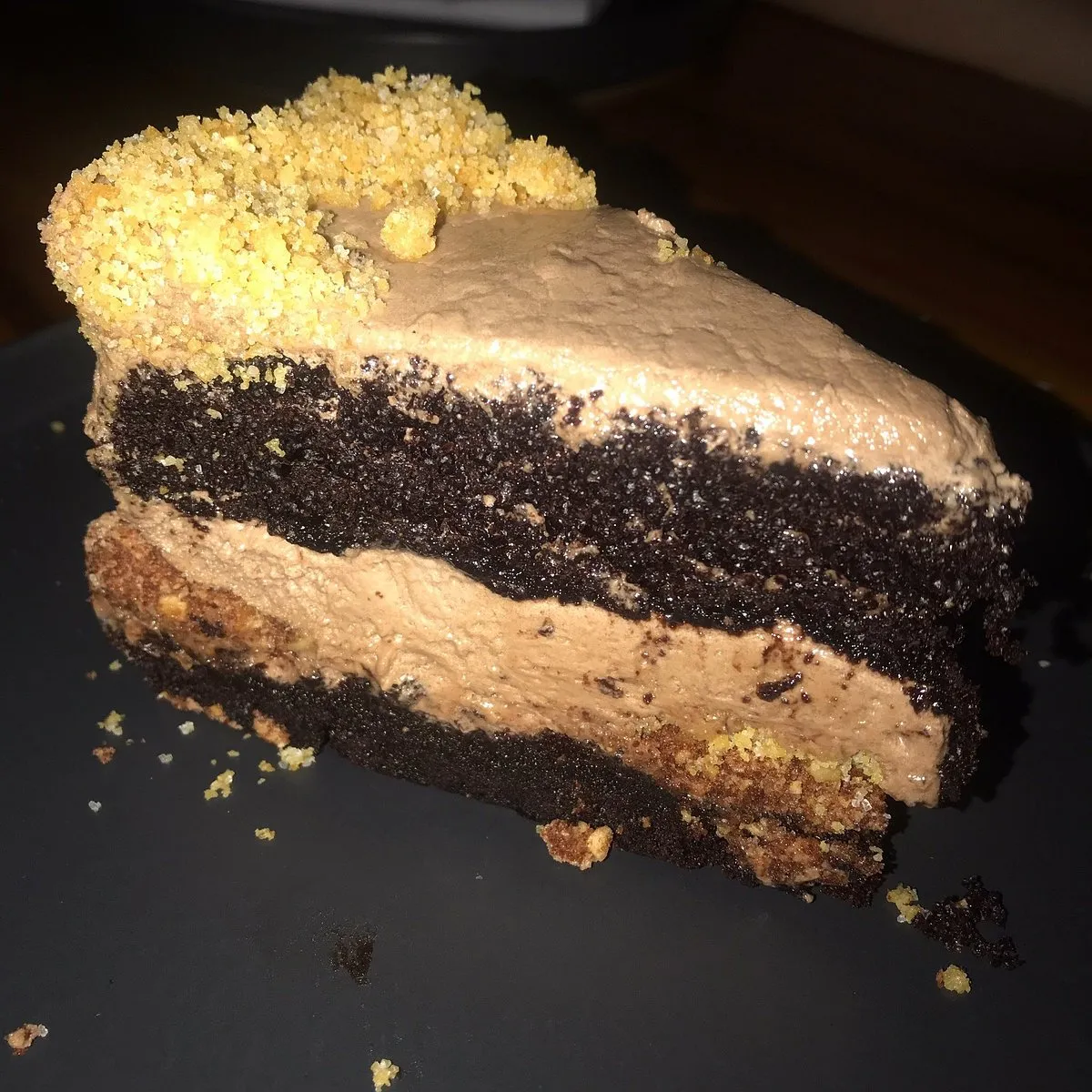
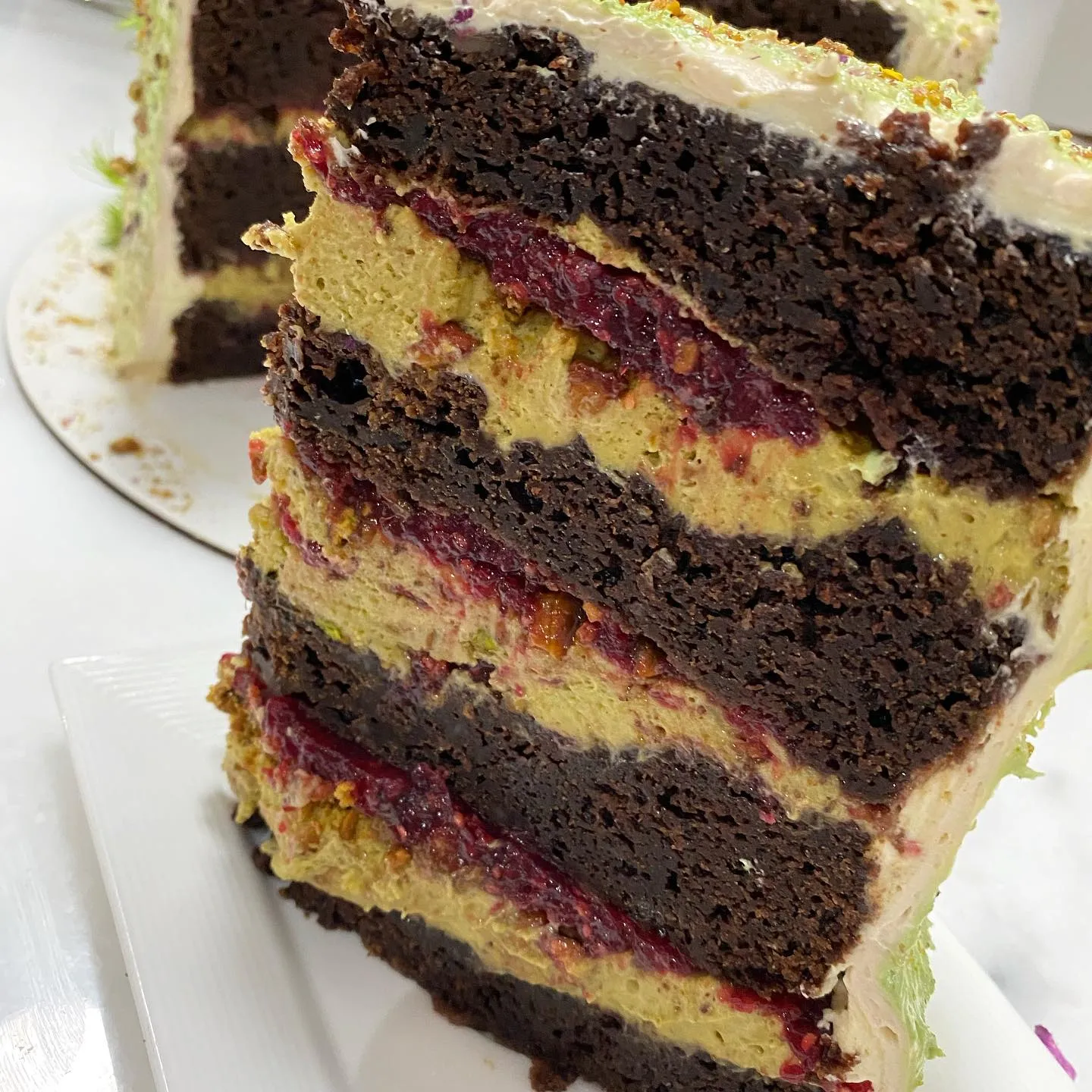
Chef Juan Ignacio “Nacho” Losada Fadul builds cakes that look like art installations and taste like they earn the staging. The specialty is weddings, quinceañeras, and custom showpieces, but the counter has plenty of slices, and the technique is visible in every one of them.
Book custom orders at least a week out. Peak seasons longer.
Le Panier
Cra. 53 #85-97, Riomar
A French artisan bakery with the kind of laminated pastry you normally have to fly for. The hundred-percent-butter croissant is the benchmark, and the croissant gelato, two scoops tucked inside a croissant, is the indulgent dare. Brunch-all-day vibe; the north-side Sunday-morning spot.
Get there before 11am on Sunday. Croissants sell out.
Le Colate Sede 84
Calle 84 #43B-40
The cacao specialists. Coffee and chocolate in every form, bars, bonbons, a much-loved mil hojas, and a signature Milo dessert that locals cross town for. The vibe is small-shop, not flashy, but the product is the point.
The mil hojas is the one. Also take a box of bonbones home.
Ice cream, gelato & paletas
La Gelateria
Cra. 51B #82-38 (plus Villa Campestre)
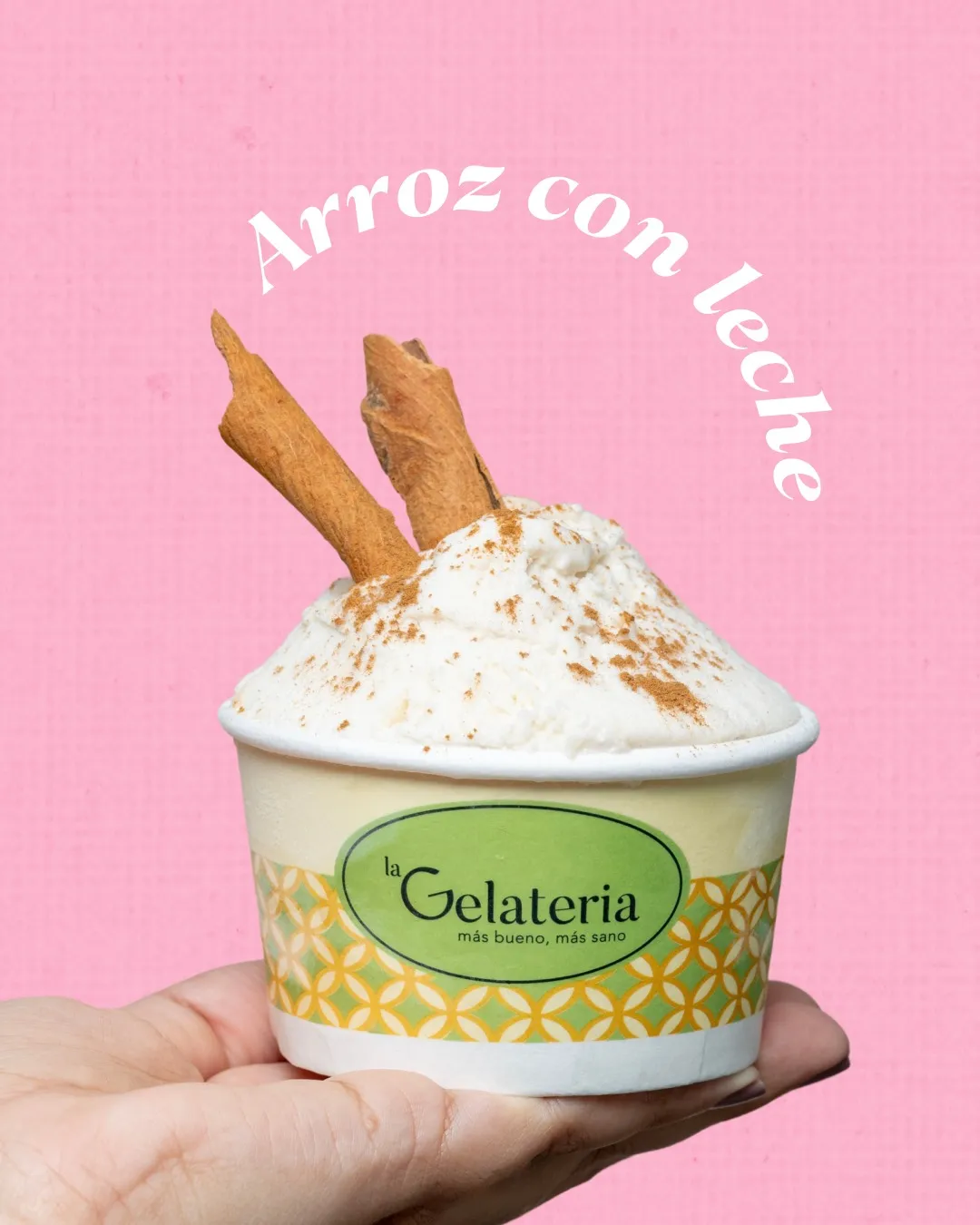
Widely called the best gelato in Barranquilla and a contender for the best in Colombia. Italian technique, Caribbean palette, the zapote, the pistachio, whichever tropical fruit is in season, and a full stevia-sweetened line that somehow loses nothing. A perfect post-dinner walk-over from the Alto Prado restaurant strip.
Ask which tropical fruit is in season today. That’s the one to order.
Dolce Gelo
Cra. 46 #90-60 (plus Cra. 43 #84-51)
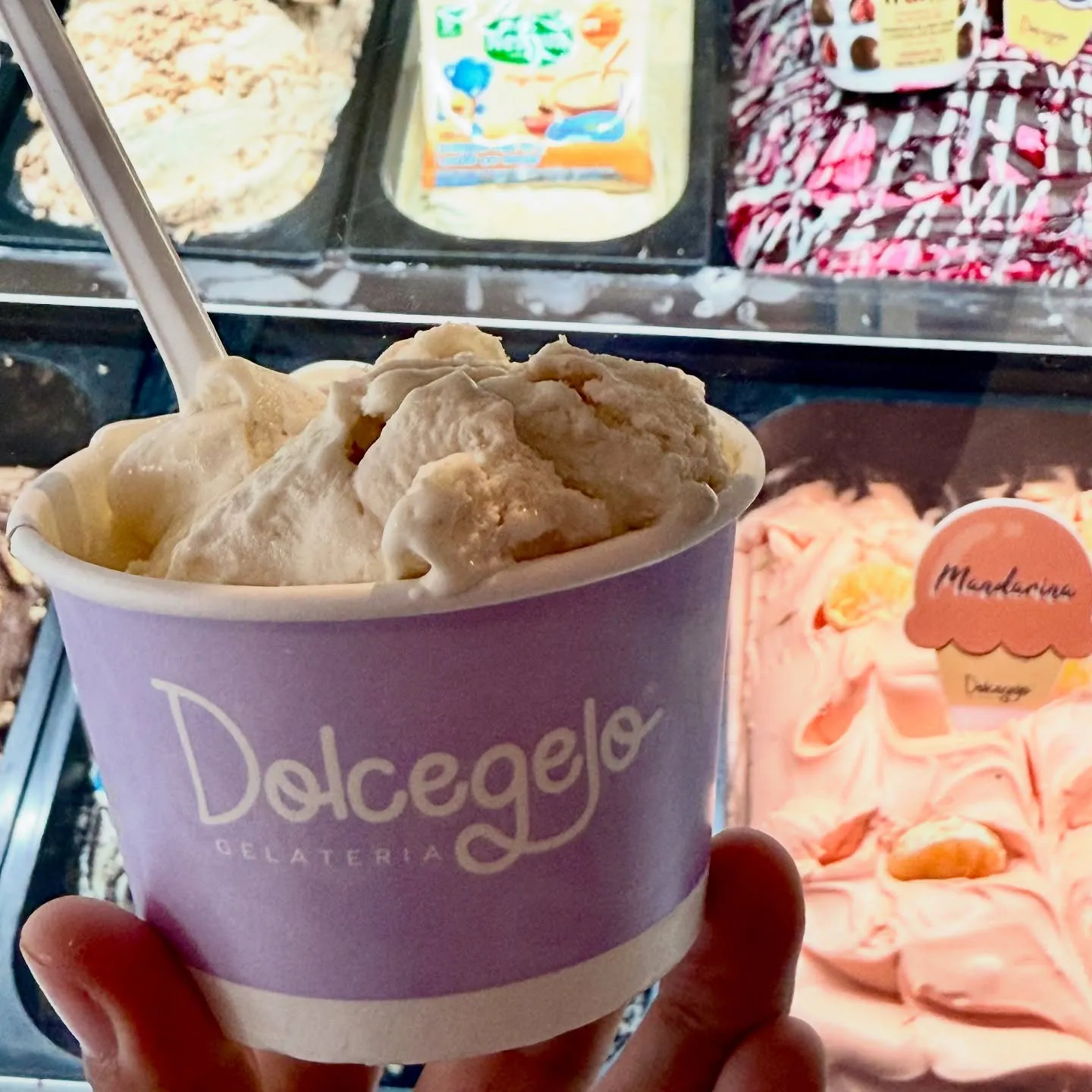
The younger, weirder cousin. Opened in 2019 by a Bogotá transplant who set up to make gelato out of recognizable ingredients, no essences, only real product, and then leaned into Colombian nostalgia flavors: Alpinito, Quipitos, Bon Yurt, Nucita, Ducales. The Carnaval-season lineup (buñuelo-dulce-de-leche, aguardiente, corozo-tequila) is the most-Barranquilla gelato in Barranquilla.
Ask for the Carnaval specials if you’re here between January and March.
Ciocolatto Pop Bar
Cra. 51B #82-21
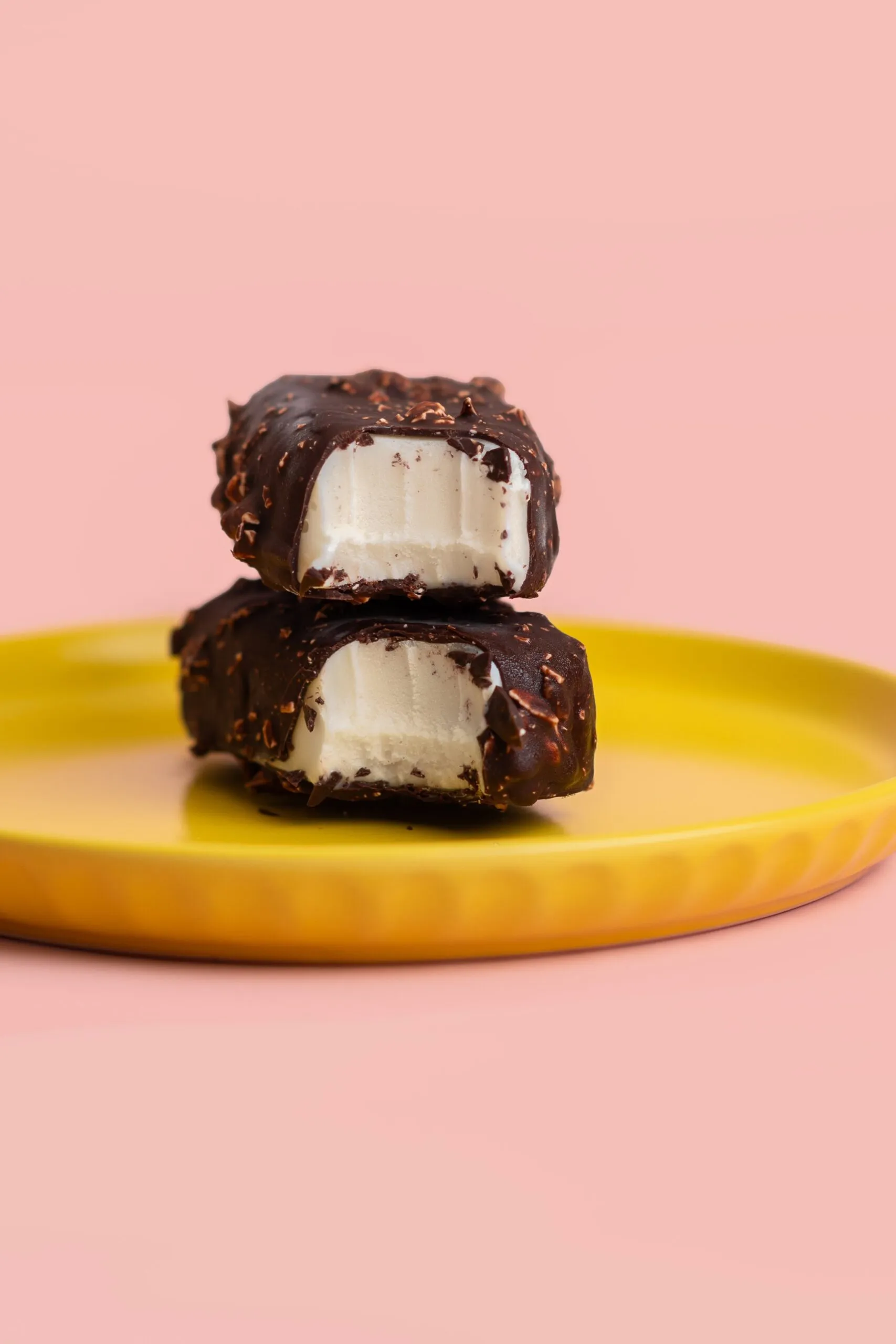
A paleta bar, gelato-on-a-stick and fruit ice pops made with natural ingredients, a big stevia line, and a vegan line that’s actually good. The north-side health-conscious afternoon stop.
The chocolate-dipped paleta with crushed pistachio is the classic.
A note on this guide: the best dessert day in Barranquilla is a loop, not a single address. Start with a palenquera’s cocada on Paseo Bolívar. Grab a raspao de kola in the afternoon. Stop for a Frozomalt at Americana before dinner. End with a scoop of zapote gelato at La Gelateria. That’s the city in one sweet line.
Further reading
More food coverage on this site:
- best restaurants in Barranquilla, the full dining roundup
- best fine dining, higher-end options for a celebration
- best seafood restaurants, for when you want Caribbean fish
- best family restaurants, kid-friendly dining picks
- how to eat like a local, dishes, markets, and street food
Still have questions?¿Todavía tienes preguntas?
Catalina is our concierge. Ask her about visas, neighborhoods, healthcare, prices, anything Barranquilla. She answers in chat or WhatsApp, English or Spanish, free.Catalina es nuestra concierge. Pregúntale sobre visas, barrios, salud, precios, cualquier cosa de Barranquilla. Responde por chat o WhatsApp, en inglés o español, gratis.
Chat with Catalina ›Habla con Catalina ›