What to Eat in Barranquilla: How to Eat Like a Local (2026)Qué comer en Barranquilla: Cómo comer como un local (2026)
Mike Chartrand
April 8, 2026, Updated April 23, 2026 · 8 min read
Specific question while you read? Ask Catalina, the Barranquilla Guide concierge.¿Pregunta específica mientras lees? Pregúntale a Catalina, la concierge de Barranquilla Guide.Chat with Catalina ›Habla con Catalina ›
Last updated: April 2026. Barranquilla’s cuisine is costeño, Colombian Caribbean, with a personality all its own. This guide walks through the dishes you should actually try, where they originated, and how to eat them the way locals do. Companion piece to our best restaurants guide, and to the broader city guide.
What makes costeño food distinct
Colombian food is regional and Barranquilla sits in the Caribbean region, which it shares with Cartagena, Santa Marta, and the smaller towns of the Atlántico, Magdalena, Bolívar, and La Guajira departments. The cooking draws on three major influences: indigenous (corn, yuca, plantain, tropical fish), African (coconut, okra, frying techniques, rhythm-of-the-kitchen), and Spanish-European (rice, pork, wheat pastries, stews). A smaller but distinctive Middle Eastern influence, Barranquilla had a large Lebanese and Palestinian immigration wave in the early 20th century, gave the city its kibbe, its shawarma, and a particular affection for spice mixes rare elsewhere in Colombia.
What you’ll notice eating here, versus inland Colombia:
Seafood is genuinely central, not a regional specialty cooked with ceremony. Whole fried fish, shrimp in coconut sauce, crab rice, and ceviche appear on almost every decent lunch menu.
Coconut is a seasoning, not a dessert ingredient. Arroz con coco, rice toasted in the reduced coconut milk and grated meat, is the default side.
Plantains are a food group. Green (patacón, twice-fried), ripe (tajadas, sweet), boiled (cayeye), and in soup (sancocho).
The corn dough universe, arepas, bollos, carimañolas, empanadas, is larger and more varied than in Bogotá or Medellín.
Suero is ubiquitous. A tangy, salty fermented cream. Locals put it on everything from arepas to hot chocolate.
Dishes you should actually try
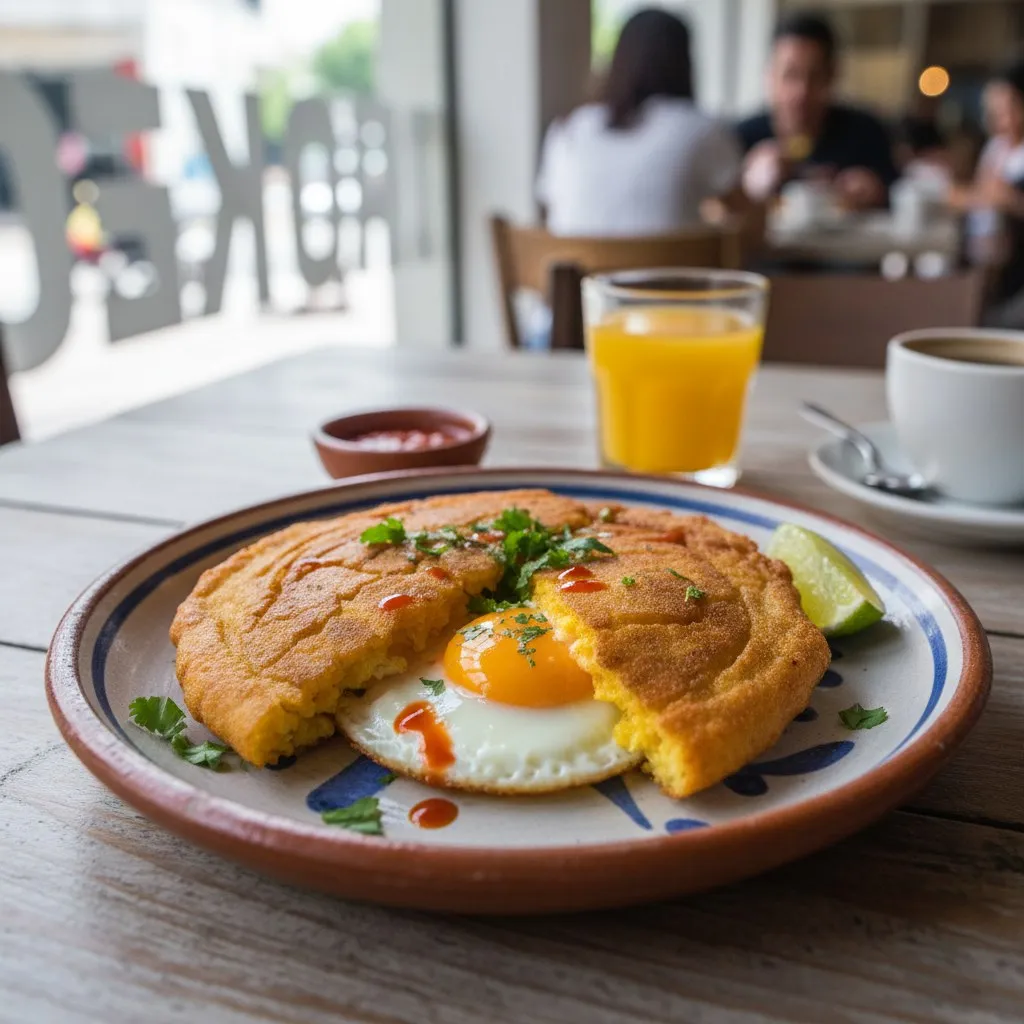
Arepa de huevo
Arepa de huevo
A fried corn-dough pocket with a whole egg cracked into it mid-fry. The signature street-food breakfast of the Caribbean coast. Eat with suero and ají costeño. Best on Carrera 43 with Calle 72 in the mornings, or at Narcobollo.
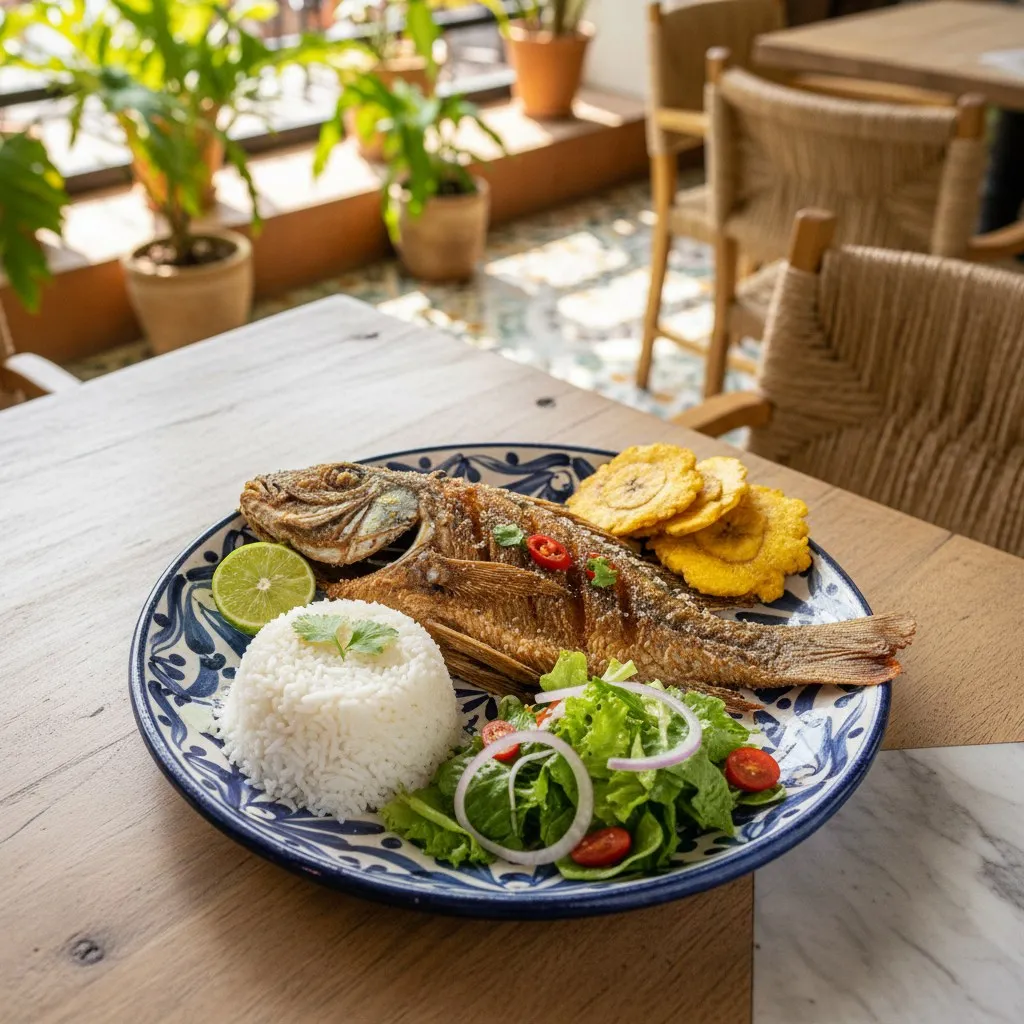
Mojarra frita con arroz con coco y patacones
Mojarra frita con arroz con coco y patacones
Whole fried mojarra, coconut rice, twice-fried green plantain. The default sit-down lunch. Pescayé in El Prado, Varadero in Alto Prado, or any beach shack in Puerto Colombia will serve a good version.
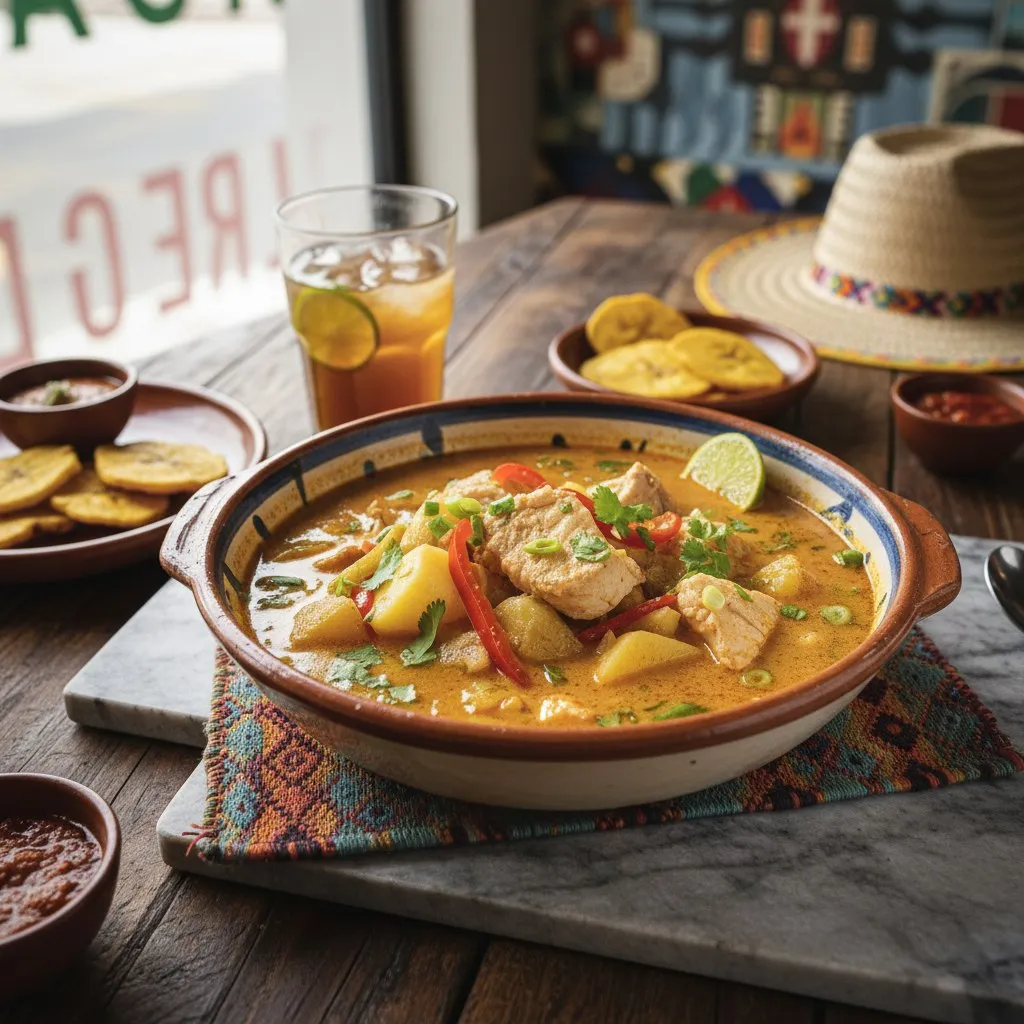
Sancocho de pescado / sancocho trifásico
Sancocho de pescado
A dense, yucca-and-plantain-thickened stew. The fish version is classic costeño; the trifásico (chicken, pork, beef) is a Colombian standard. Best at La Cueva or the daily-plate lunches in the Centro.
Cazuela de mariscos
A coconut-cream seafood stew with shrimp, squid, fish, and crab. A splurge dish; Varadero and the seafood restaurants of Puerto Colombia handle it best.
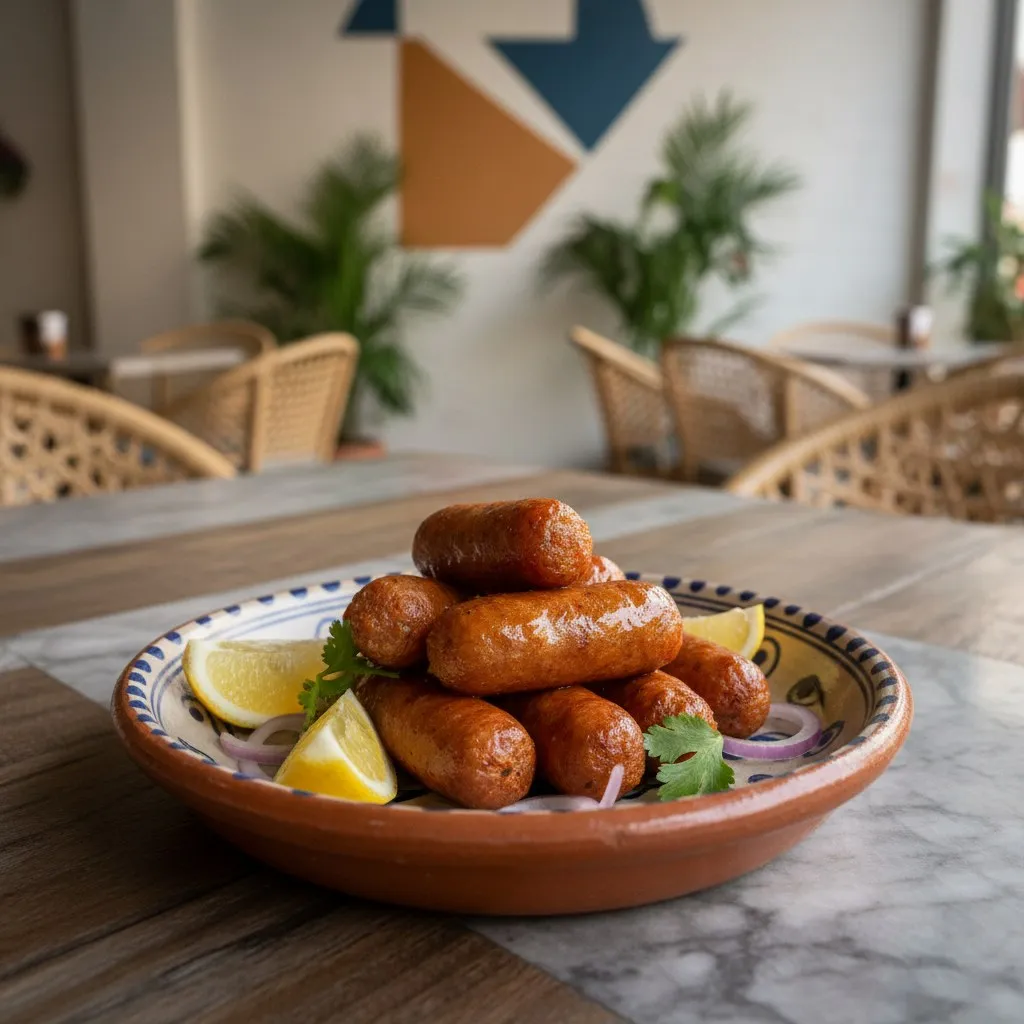
Butifarra soledeña
Butifarra soledeña
Small round pork sausages that originated in Soledad, the neighboring municipality. Eaten at breakfast or as a street snack with bollo de yuca and a squeeze of lime. Butifarras La Comadre in Soledad is the reference; most of the city eats theirs.
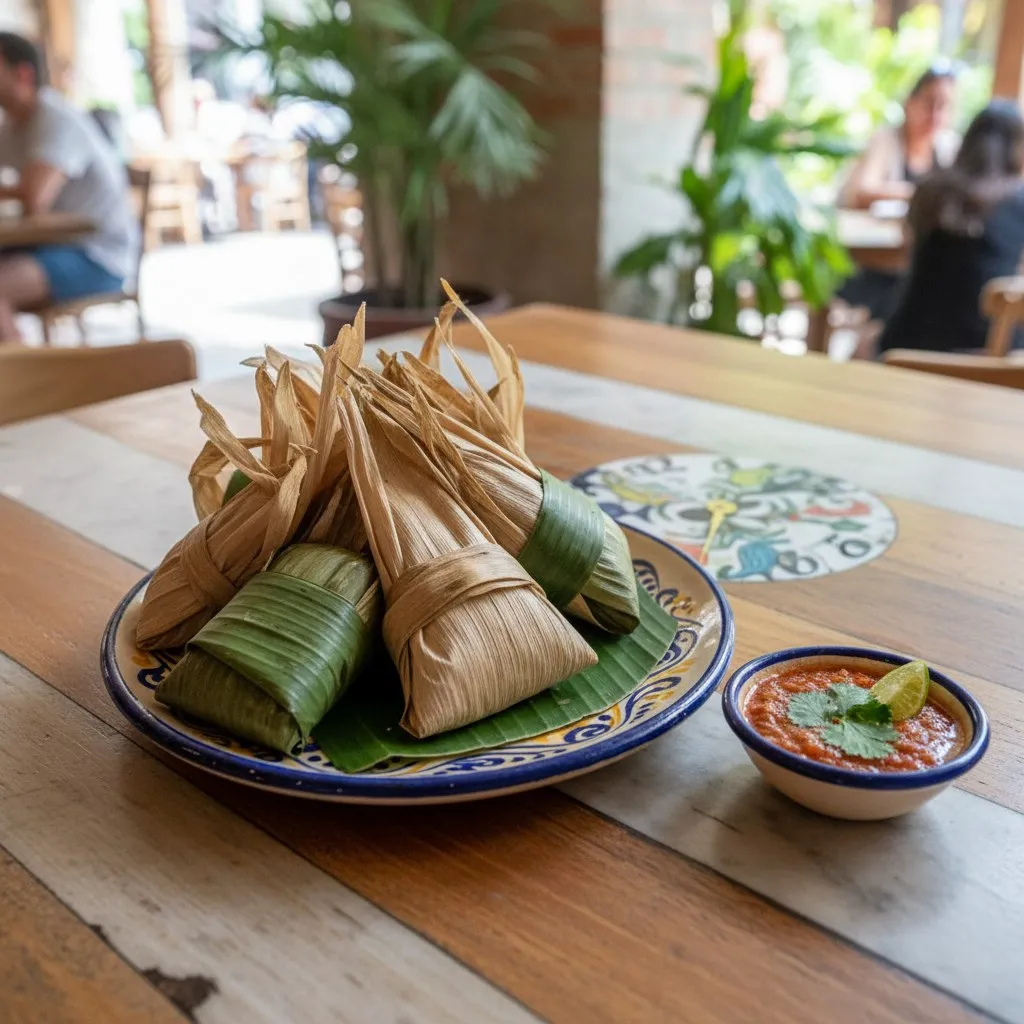
Bollo
Bollo
Boiled corn or yuca dough wrapped in a leaf. Bollo limpio is plain; bollo de mazorca sweet; bollo de yuca savory. The everyday side to eggs, cheese, suero, or butifarra.
Carimañola
Yuca dough filled with ground beef or cheese, fried. The better cousin of the empanada.
Arroz con pollo
Not the Spanish version, a local one cooked with chicken, peas, carrots, peppers, and a distinctive Caribbean sofrito. Casual lunch mainstay.
Posta cartagenera
Beef braised for hours in a sweet, dark sauce of panela and soy-ish flavors. Cartagena’s signature but ubiquitous in Barranquilla too. Served with white rice and sweet plantain.
Kibbeh and Middle Eastern plates
Thanks to the Lebanese/Palestinian community, Barranquilla has a mini-tradition of Arabic food. Find kibbeh, tabbouleh, and shawarma at Sabores Árabes and at the Nasser Lebanese church’s cultural nights.
Ceviche costeño
Shrimp or white fish, lime, tomato, onion, cilantro, a splash of ketchup (controversial, authentic). Light, bright, cheap, perfect lunch on a hot day.
Cayeye
Mashed green plantain, often with cheese and/or butter melted in. A country-style breakfast, served with eggs and suero.
Sweets: cocadas, bolas de tamarindo, dulce de leche corozo
Coconut-and-panela candies, tamarind sugar balls, palm-fruit jam. Buy at Mercado de Sabores or any street vendor along the Malecón.
Drinks worth ordering
Limonada de coco
A whipped lime-and-coconut-cream smoothie. The refreshing default of the hot afternoon. Every restaurant has it; some do it with cream, some with coconut milk, both are correct.
Agua de panela con limón
Unrefined-cane-sugar water with lime. Cheap, ubiquitous, surprisingly good.
Fresh juices
Ask for jugos en agua (with water) or en leche (with milk). Classics: mango, maracuyá (passion fruit), corozo, lulo, tamarindo, tomate de árbol, guanábana. Each is distinct; try three.
Tinto
Strong, short, usually sweetened black coffee. What you’ll be given in any home or at a street cart; coffee “gringo-style” (large, filter) you have to ask for at a specialty café.
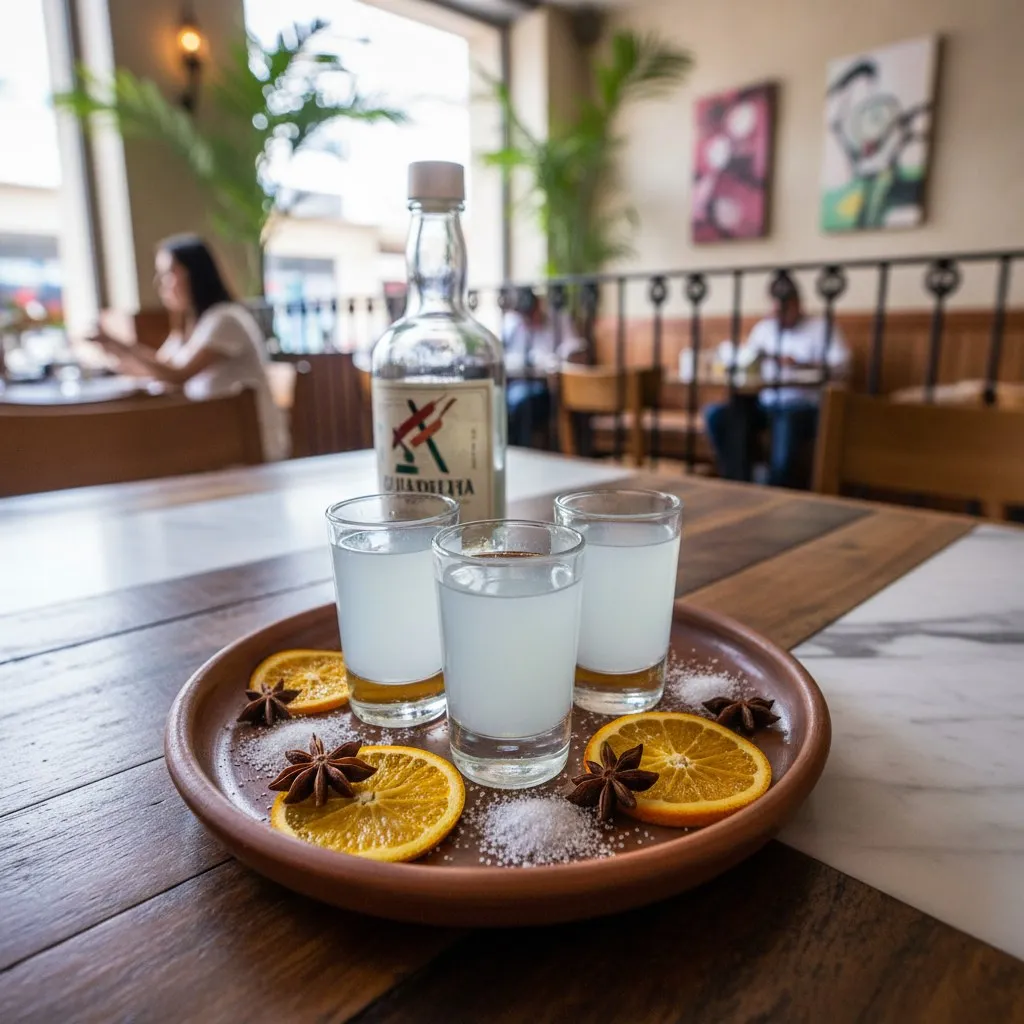
Aguardiente
Aguardiente
The national spirit: anise-flavored cane liquor. The costeño brand is Aguardiente Antioqueño (imported from the interior) or the regional Ron Medellín Tres Esquinas. Shot it cold, usually with lime on the side.
Ron Caldas, Dictador, Medellín
Colombian rum is underrated internationally and excellent; an 8- or 12-year añejo is the sipping choice.
Beer
The Caribbean default is Águila (Barranquilla’s hometown lager, light and cold); Club Colombia Dorada is the slightly more upmarket choice. Craft beer is a small scene centered on Maltería and a handful of bars.
Where to eat for each type of meal
Breakfast (the costeño kind)
Arepas de huevo and eggs from a street vendor on Carrera 43 with Calle 72, a bollo with butter from a panadería, or a full sit-down breakfast at Narcobollo. Pair with fresh juice and tinto.
The midday lunch
This is the big meal of the day. Local-price version: any menú del día in the Centro or a working-class neighborhood (COP 15 to 25k for soup, main, juice, dessert). Restaurant version: one of the mid-priced places in our restaurants guide.
Afternoon snack (onces)
Light, sweet, optional. An empanada, a carimañola, a slice of torta de plátano, or a piece of cake with coffee around 4 PM.
Dinner
In costeño culture, dinner is traditionally smaller than lunch. Contemporary restaurant dinners (reservations, tasting menus, wine) skew north and west of Alto Prado. Most Barranquilleros eat a lighter evening meal at home.
The old wholesale market near the river. Chaotic, loud, cheap, and the best place to see Colombian ingredients in bulk. Go in the morning with a local; keep your phone in your pocket.
Curated food hall on Calle 72, Carrera 53. Good first stop for anyone who wants to taste widely without committing to a single restaurant.
How to eat like a local
Say yes to suero, ají, and limón. They’re on every table, and they transform the plates. Suero on arepa, ají on fried fish, limón on everything.
Don’t expect bread with your meal. Bread is a breakfast thing. Lunch and dinner come with rice, plantain, and maybe yuca.
Split a fish. A whole fried mojarra at a beach shack easily feeds two with rice and patacones.
Eat with your hands where locals do. Arepa de huevo, patacón, fried plantain chip, fried fish, all hand food. Fork the rice and beans.
Order the juice. The fresh tropical juice portfolio is one of the glories of Colombian dining. Skip the Coca-Cola; you can have Coke anywhere.
Try something unfamiliar. Corozo (a wine-dark palm fruit), níspero, caimito, zapote. If you see a fruit you don’t recognize on the street, buy one.
Don’t chase Cartagena’s food in Barranquilla. They’re neighbors and they share a cuisine, but the scenes have different strengths. Barranquilla has better everyday neighborhood restaurants; Cartagena has better tourist-facing fine dining.
Dietary notes
Vegetarians: harder than in most Colombian cities, but doable. Arepa de queso, patacones with guacamole, ceviche de mango, rice with coconut, yuca frita, and a growing set of modern restaurants with veg menus (Madre Monte, Crepes & Waffles).
Vegans: tighter but feasible. Ask for plates “sin queso, sin suero, sin crema” and stick to the rice-and-beans-and-plantain end of the menu. A handful of dedicated vegan places exist near Uninorte.
Gluten-free: mostly easy. Most Colombian food is corn- and yuca-based. Ask about breading on fried foods.
Heat: Colombian food is mild. Picante on the coast is ají casero (a table sauce of onion, vinegar, cilantro, sometimes chili); in the Andes it’s ají pique. Add it yourself, to taste.
Last full re-verification: April 2026. The Caribbean food scene changes slower than the fine-dining scene, but new restaurants appear and close every month. If you think we’re missing a key dish or spot, let us know.
Still have questions?¿Todavía tienes preguntas?
Catalina is our concierge. Ask her about visas, neighborhoods, healthcare, prices, anything Barranquilla. She answers in chat or WhatsApp, English or Spanish, free.Catalina es nuestra concierge. Pregúntale sobre visas, barrios, salud, precios, cualquier cosa de Barranquilla. Responde por chat o WhatsApp, en inglés o español, gratis.
Specific question while you read? Ask Catalina, the Barranquilla Guide concierge.¿Pregunta específica mientras lees? Pregúntale a Catalina, la concierge de Barranquilla Guide.Chat with Catalina ›Habla con Catalina ›
Última actualización: abril de 2026. La comida de Barranquilla es costeña, del Caribe colombiano, con personalidad propia. Esta guía te presenta los platos que realmente debes probar, de dónde vienen y cómo los comen los locales. Acompañamiento de nuestra guía de mejores restaurantes y de la más amplia guía de la ciudad.
Qué hace distintiva la comida costeña
La comida colombiana es regional y Barranquilla está en la región Caribe, que comparte con Cartagena, Santa Marta y los pueblos más pequeños de los departamentos del Atlántico, Magdalena, Bolívar y La Guajira. La cocina se nutre de tres influencias principales: indígena (maíz, yuca, plátano, pescado tropical), africana (coco, okra, técnicas de fritura, ritmo de la cocina) y española-europea (arroz, cerdo, pastas de trigo, guisos). Una influencia más pequeña pero distintiva es la de Medio Oriente. Barranquilla tuvo una ola importante de inmigración libanesa y palestina a inicios del siglo XX, lo que le dejó kibbe, shawarma y una particular afición por mezclas de especias poco comunes en el resto de Colombia.
Lo que notarás comiendo aquí, comparado con el interior de Colombia:
El pescado es genuinamente central, no un plato regional cocinado con ceremonia. Pescado entero frito, camarones en salsa de coco, arroz con cangrejo y ceviche aparecen en casi todos los menús decentes de almuerzo.
El coco es un condimento, no un ingrediente de postre. Arroz con coco, arroz tostado en leche de coco reducida y carne rallada, es el acompañamiento por defecto.
El plátano es un grupo de alimentos. Verde (patacón, frito dos veces), maduro (tajadas, dulces), hervido (cayeye) y en sopa (sancocho).
El universo de la masa de maíz, arepas, bollos, carimañolas, empanadas, es más grande y variado que en Bogotá o Medellín.
El suero es omnipresente. Una crema fermentada agria y salada. Los locales la ponen en todo, desde arepas hasta chocolate caliente.
Platos que realmente debes probar
Arepa de huevo
Arepa de huevo
Un bolsillo de masa de maíz frito con un huevo entero quebrado en él durante la fritura. El desayuno callejero icónico de la costa Caribe. Cómelo con suero y ají costeño. Mejor en Carrera 43 con Calle 72 en las mañanas, o en Narcobollo.
Mojarra frita con arroz con coco y patacones
Mojarra frita con arroz con coco y patacones
Mojarra entera frita, arroz con coco, plátano verde frito dos veces. El almuerzo para sentarse por defecto. Pescayé en El Prado, Varadero en Alto Prado, o cualquier restaurante de playa en Puerto Colombia sirven una buena versión.
Sancocho de pescado / sancocho trifásico
Sancocho de pescado
Un guiso denso, espesado con yuca y plátano. La versión de pescado es clásica costeña; el trifásico (pollo, cerdo, res) es un estándar colombiano. Mejor en La Cueva o en los almuerzos de menú diario en el Centro.
Cazuela de mariscos
Un guiso de mariscos con crema de coco, camarones, calamares, pescado y cangrejo. Un plato caro; Varadero y los restaurantes de mariscos de Puerto Colombia lo hacen mejor.
Butifarra soledeña
Butifarra soledeña
Salchichas pequeñas de cerdo que originaron en Soledad, el municipio vecino. Se comen en el desayuno o como bocadillo callejero con bollo de yuca y un apretón de limón. Butifarras La Comadre en Soledad es la referencia; la mayoría de la ciudad come de allá.
Bollo
Bollo
Masa de maíz o yuca hervida envuelta en hoja. Bollo limpio es solo; bollo de mazorca dulce; bollo de yuca salado. El acompañamiento diario para huevos, queso, suero o butifarra.
Carimañola
Masa de yuca rellena de carne molida o queso, frita. El primo mejor de la empanada.
Arroz con pollo
No la versión española, sino una local cocinada con pollo, arvejas, zanahorias, pimentones y un sofrito Caribe distintivo. Clásico del almuerzo casual.
Posta cartagenera
Res brasada por horas en una salsa oscura y dulce de panela y sabores soya. La firma de Cartagena pero ubicua en Barranquilla también. Se sirve con arroz blanco y plátano maduro.
Kibbeh y platos de Medio Oriente
Gracias a la comunidad libanesa/palestina, Barranquilla tiene una mini-tradición de comida árabe. Encuentra kibbeh, tabbouleh y shawarma en Sabores Árabes y en las noches culturales de la iglesia libanesa Nasser.
Ceviche costeño
Camarón o pescado blanco, limón, tomate, cebolla, cilantro, un chorro de ketchup (controversial, auténtico). Ligero, fresco, barato, perfecto para almuerzo en un día caluroso.
Cayeye
Plátano verde machacado, frecuentemente con queso y/o mantequilla derretida. Desayuno de campo, servido con huevos y suero.
Dulces: cocadas, bolas de tamarindo, dulce de leche corozo
Caramelos de coco y panela, bolitas de azúcar tamarindo, mermelada de fruta de palma. Compra en Mercado de Sabores o con cualquier vendedor callejero en el Malecón.
Bebidas que vale la pena pedir
Limonada de coco
Un batido de limón y crema de coco. El refresco por defecto de la tarde calurosa. Todo restaurante lo tiene; algunos lo hacen con crema, otros con leche de coco, ambos son correctos.
Agua de panela con limón
Agua de caña de azúcar sin refinar con limón. Barato, ubicuo, sorprendentemente bueno.
Jugos frescos
Pide jugos en agua (con agua) o en leche (con leche). Clásicos: mango, maracuyá, corozo, lulo, tamarindo, tomate de árbol, guanábana. Cada uno es distinto; prueba tres.
Tinto
Café negro fuerte, corto, generalmente endulzado. Lo que te darán en cualquier casa o en un carrito callejero; café "estilo gringo" (grande, filtrado) tienes que pedir en una cafetería especial.
Aguardiente
Aguardiente
El licor nacional: licor de caña con sabor a anís. La marca costeña es Aguardiente Antioqueño (importado del interior) o el regional Ron Medellín Tres Esquinas. Tómalo en shot frío, generalmente con limón al lado.
Ron Caldas, Dictador, Medellín
El ron colombiano está subestimado internacionalmente y es excelente; un añejo de 8 o 12 años es la opción para saborear.
Cerveza
El default del Caribe es Águila (la cerveza de la tierra de Barranquilla, clara y fría); Club Colombia Dorada es la opción un poco más elegante. La cerveza artesanal es una escena pequeña centrada en Maltería y un puñado de bares.
Dónde comer según el tipo de comida
Desayuno (del tipo costeño)
Arepas de huevo y huevos de un vendedor callejero en Carrera 43 con Calle 72, un bollo con mantequilla de una panadería, o un desayuno completo en Narcobollo. Acompáñalo con jugo fresco y tinto.
El almuerzo del mediodía
Esta es la comida fuerte del día. Versión a precios locales: cualquier menú del día en el Centro o en un barrio obrero (COP 15 a 25k por sopa, plato fuerte, jugo y postre). Versión de restaurante: uno de los lugares a precios medios en nuestra guía de restaurantes.
Merienda (onces)
Ligera, dulce, opcional. Una empanada, una carimañola, un pedazo de torta de plátano, o un pedazo de pastel con café alrededor de las 4 de la tarde.
Cena
En la cultura costeña, la cena es tradicionalmente más pequeña que el almuerzo. Las cenas contemporáneas en restaurante (reservaciones, menús de degustación, vino) tienden al norte y oeste de Alto Prado. La mayoría de los barranquilleros comen una comida nocturna más ligera en casa.
El viejo mercado mayorista cerca del río. Caótico, ruidoso, barato y el mejor lugar para ver ingredientes colombianos en cantidad. Ve en la mañana con un local; guarda tu teléfono en el bolsillo.
Patio de comidas curado en Calle 72, Carrera 53. Buen primer punto para quien quiere probar mucho sin comprometerse con un solo restaurante.
Cómo comer como un local
Di sí al suero, al ají y al limón. Están en cada mesa y transforman los platos. Suero en arepa, ají en pescado frito, limón en todo.
No esperes pan con tu comida. El pan es cosa de desayuno. Almuerzo y cena vienen con arroz, plátano y tal vez yuca.
Comparte un pescado. Una mojarra frita entera en un restaurante de playa fácilmente alimenta a dos con arroz y patacones.
Come con las manos donde los locales lo hacen. Arepa de huevo, patacón, chip de plátano frito, pescado frito, toda comida de mano. Tenedor para el arroz y los frijoles.
Pide el jugo. La cartera de jugos tropicales frescos es una de las glorias de la comida colombiana. Salta la Coca-Cola; puedes tomar Coke en cualquier lado.
Prueba algo desconocido. Corozo (una fruta de palma de color vino), níspero, caimito, zapote. Si ves una fruta que no reconoces en la calle, cómpra una.
No busques la comida de Cartagena en Barranquilla. Son vecinos y comparten una cocina, pero las escenas tienen fortalezas distintas. Barranquilla tiene mejores restaurantes de barrio para el día a día; Cartagena tiene mejor comida fina de cara al turismo.
Notas dietéticas
Vegetarianos: más difícil que en la mayoría de ciudades colombianas, pero posible. Arepa de queso, patacones con guacamole, ceviche de mango, arroz con coco, yuca frita y un conjunto cada vez mayor de restaurantes modernos con menús vegetarianos (Madre Monte, Crepes & Waffles).
Veganos: más apretado pero factible. Pide platos "sin queso, sin suero, sin crema" y quédate con el extremo de arroz-frijoles-plátano del menú. Hay un puñado de lugares dedicados veganos cerca de Uninorte.
Sin gluten: generalmente fácil. La mayoría de la comida colombiana es a base de maíz y yuca. Pregunta sobre rebozos en comidas fritas.
Picante: la comida colombiana es suave. Picante en la costa es ají casero (una salsa de mesa de cebolla, vinagre, cilantro, a veces chili); en los Andes es ají pique. Agrégalo tú mismo, al gusto.
Última verificación completa: abril de 2026. La escena de comida Caribe cambia más lentamente que la de comida fina, pero nuevos restaurantes abren y cierran cada mes. Si crees que nos falta un plato clave o un lugar, cuéntanos.
Still have questions?¿Todavía tienes preguntas?
Catalina is our concierge. Ask her about visas, neighborhoods, healthcare, prices, anything Barranquilla. She answers in chat or WhatsApp, English or Spanish, free.Catalina es nuestra concierge. Pregúntale sobre visas, barrios, salud, precios, cualquier cosa de Barranquilla. Responde por chat o WhatsApp, en inglés o español, gratis.
Get the guide in your inboxRecibe la guía en tu correo
Weekly picks, new guides, and things worth knowing about Barranquilla. No noise, no news feed. Just the useful stuff.Cada semana: recomendaciones, guías nuevas y lo que vale la pena saber de Barranquilla. Sin ruido, sin feed de noticias. Solo lo útil.